Streamlining Compliance: How People Ops Can Master Mandatory Requirements with a Google Workspace Dashboard
If you're in People Operations or HR, especially in a highly regulated industry, the scenario described in a recent Reddit post probably sounds all too familiar: "I’m honestly drowning in compliance follow-ups right now. The hardest part isn’t the tracking itself, it’s the constant chasing of employees who either ignore reminders, submit things late, or say they’ll do it and don’t."
This isn't just an HR headache; it's a critical business challenge. Non-compliance can lead to hefty fines, legal repercussions, and even operational shutdowns, particularly when your business "relies heavily on having adequate staffing" that must meet specific regulatory criteria. The constant chasing creates significant "admin debt," diverting valuable People Ops time from strategic initiatives to repetitive tasks.
At Workalizer, we understand this struggle. It's about more than just tracking; it's about creating a system that fosters a culture of compliance, reduces manual effort, and empowers your team to focus on what matters most: your people. Let's dive into how you can organize, stay ahead, and destress from the compliance conundrum.
The Compliance Conundrum: Why It's So Hard
The core issue isn't a lack of desire to comply, but often a combination of factors:
- Employee Overload: Employees have their primary job duties, and compliance tasks can feel like an extra burden.
- Lack of Clarity: Unclear instructions, confusing submission processes, or forgotten deadlines.
- Information Silos: Compliance requirements might be scattered across different systems or communications.
- Manual Chasing: Relying solely on manual reminders is inefficient and prone to human error, leading to the "constant chasing" described.
- Fear of Consequences: HR often hesitates to escalate due to concerns about employee morale or staffing shortages.
The goal is to shift from reactive chasing to proactive enablement.
Building a Proactive Compliance System: Strategies for Success
Clear Communication & Expectations
The first line of defense against non-compliance is crystal-clear communication. Don't just send a reminder; educate.
- Why it Matters: Explain the importance of each compliance requirement, not just the "what" but the "why." Connect it to job security, company reputation, and safety.
- Easy Access: Centralize all compliance information, forms, and deadlines in an easily accessible location, like a dedicated folder in Google Drive or an intranet page.
- Simplified Process: Make the submission process as straightforward as possible. Can forms be filled out digitally? Are instructions concise?
- Initial Onboarding: Integrate compliance education into your onboarding process. Set the expectation early that compliance is a non-negotiable part of their role.
Automate Reminders, Not Relationships
This is where technology becomes your best friend. Manual follow-ups are a drain. Automate as much as possible.
- HRIS/LMS Integration: If your HR Information System (HRIS) or Learning Management System (LMS) has compliance tracking features, leverage them for automated reminders.
- Calendar Invites: For recurring training or certifications, send calendar invites with reminders.
- Email Sequences: Set up automated email sequences for upcoming deadlines: e.g., 30 days out, 14 days out, 7 days out, 3 days out, due date.
- Personalized Dashboards: Consider tools that provide employees with a personalized compliance dashboard showing their outstanding tasks. This could be a custom solution or part of your existing HR tech stack.
Leveraging Technology for Tracking: Your Google Workspace Dashboard
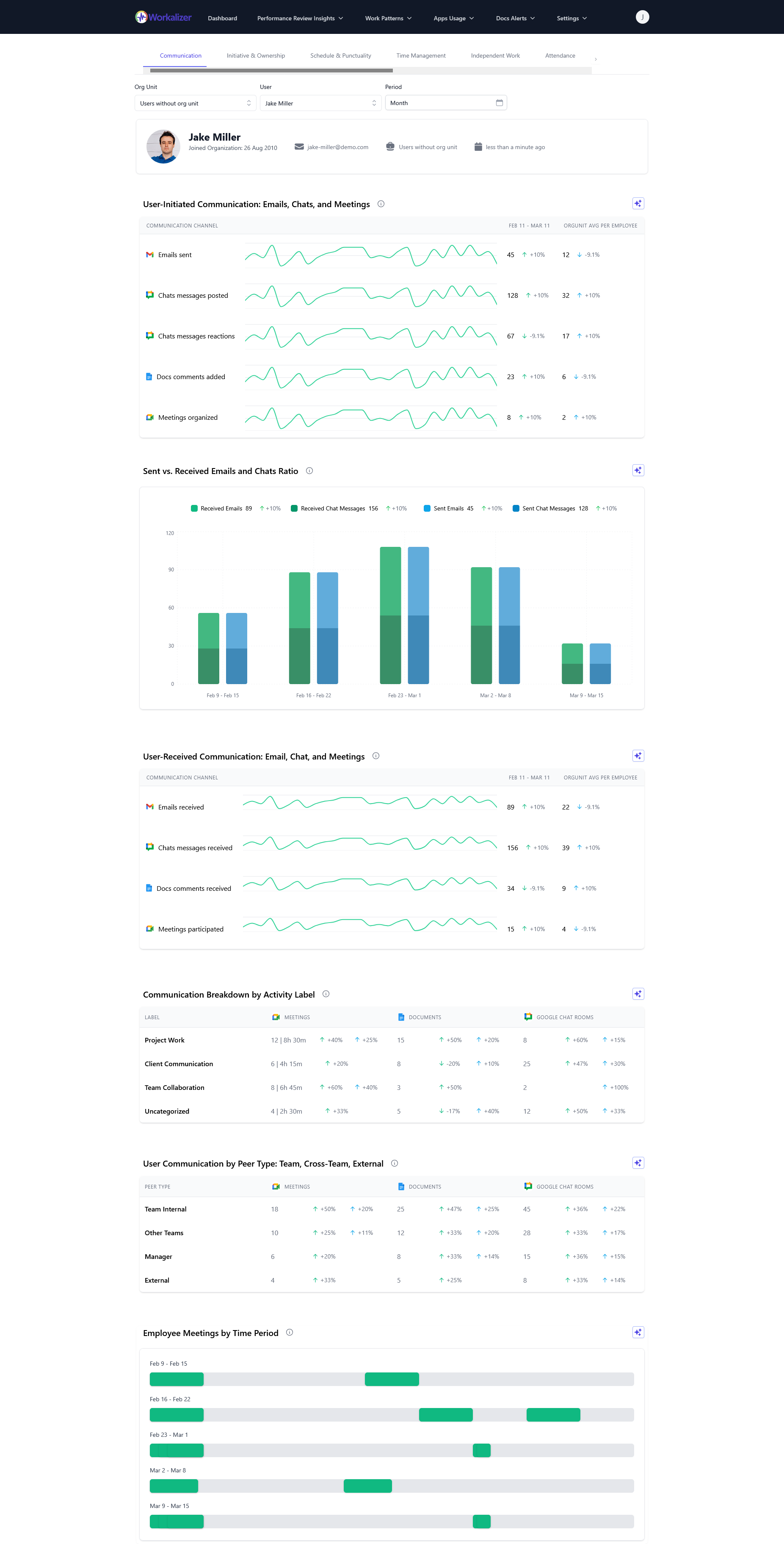
Effective tracking is paramount. You need a centralized, dynamic view of compliance status. A robust dashboard google workspace integration or a dedicated google drive dashboard for compliance documents can transform your process.
Imagine a single pane of glass where you can see:
- Who has completed mandatory training.
- Which certifications are expiring soon.
- Outstanding document submissions.
This kind of dashboard, whether built into your HRIS or created using a tool like Workalizer, moves you away from spreadsheets and manual checks. It provides real-time insights, allowing you to identify bottlenecks and non-compliant individuals quickly. You can use it to track who has accessed important compliance documents stored on Google Drive, giving you a passive indicator of engagement.
The Escalation Ladder: When to Involve Managers
The Reddit post asked: "How many reminders/escalations do you usually do before involving managers?" This is a critical question that requires a clear, consistent policy.
A structured escalation matrix removes guesswork and ensures fairness:
- Initial Reminder (Automated): 30 days before deadline.
- Second Reminder (Automated): 14 days before deadline.
- Third Reminder (Automated, with increased urgency): 7 days before deadline.
- Final Reminder (Automated, CC Manager): On the due date, clearly stating the requirement is overdue and consequences for non-compliance. This is the first point of direct manager involvement.
- Manager Intervention (Direct): 3-5 days after the due date, if still not completed. The manager has a direct conversation with the employee to understand barriers and ensure completion.
- Formal Warning/Disciplinary Action: If non-compliance persists after manager intervention, formal disciplinary action (e.g., written warning, suspension, termination) should follow according to company policy and legal counsel.
Caution: Always consult with qualified legal counsel when establishing and implementing disciplinary policies related to compliance, especially in highly regulated industries.
Where Workalizer Helps Streamline Compliance
Workalizer is designed to bring clarity and efficiency to your Google Workspace operations, directly addressing many of the challenges in compliance tracking:
- How to Use the Google Workspace Dashboard: Gain a holistic view of employee activity and engagement. While not a direct compliance tracker, a dip in overall activity or engagement might signal an employee struggling to keep up with all tasks, including compliance.
- How to Use Document Alerts in Workalizer: This is a game-changer for compliance. Set up alerts for critical compliance documents on Google Drive. Get notified when specific documents haven't been accessed, reviewed, or submitted by certain deadlines. This directly helps you identify non-compliance without manual checking.
- How to Use the Google Drive Usage Report: Monitor who is accessing, editing, or sharing compliance-related documents in Google Drive. This can help you gauge engagement with training materials or identify individuals who might need an extra nudge.
- How to Track and Optimize Google Meet Duration: While not directly for compliance submission, if your compliance involves mandatory training sessions via Google Meet, Workalizer can help you track attendance and the gmeet duration of participation, ensuring employees are engaging with required content. (See also: How to Track and Optimize Google Meet Duration)
By providing data-driven insights, Workalizer helps People Ops teams move beyond guesswork, reducing the "admin debt" and freeing up time for more strategic work.
Prioritizing Your Well-being: Managing HR Burnout
The Reddit post also asked, "How do you destress from the frustration due to the constant chasing?" This is crucial. People Ops professionals are often the first line of defense, and the emotional toll of constant chasing is real.
- Set Boundaries: Define specific times for compliance follow-ups and stick to them. Avoid letting it bleed into your entire week.
- Delegate Wisely: If possible, delegate initial reminders or data entry to an administrative assistant.
- Celebrate Small Wins: Acknowledge when a challenging employee finally complies. Celebrate the system working, not just the individual effort.
- Connect with Peers: Share your frustrations and solutions with other HR professionals. You are not alone.
- Self-Care: Prioritize activities outside of work that help you recharge, whether it's exercise, hobbies, or spending time with loved ones.
Conclusion: Empowering Compliance, Empowering People Ops
Drowning in compliance follow-ups is a common and frustrating experience. However, by implementing clear communication, leveraging automation, utilizing powerful tracking tools like a google workspace dashboard, and establishing a firm but fair escalation process, People Ops can transform this challenge into a streamlined, efficient operation. This not only ensures your organization remains compliant and operational but also significantly reduces administrative burden, allowing your team to focus on fostering a thriving workplace culture.