Navigating Intermittent FMLA for Hourly Teams: Strategies & Optimizing Google Meet Duration
The Intermittent FMLA Challenge: Keeping Operations Smooth with Hourly Teams
For organizations with hourly, shift-based, or operational workforces, managing FMLA (Family and Medical Leave Act) can be a tightrope walk. This challenge becomes particularly acute with intermittent leave – those sporadic, unpredictable absences that can throw a wrench into even the most meticulously planned schedules. A recent query on r/humanresources perfectly captured this dilemma: "How do you manage FMLA and intermittent leave without creating significant disruption to operations?"
It's a question many People Ops leaders and Operations Managers grapple with daily. Imagine:
- An employee needing to leave an hour early for a medical appointment, sometimes with little notice.
- Another requiring a full or partial day off due to a chronic medical condition, again, often unexpectedly.
- Supervisors scrambling to maintain adequate staffing levels while ensuring full FMLA compliance.
These aren't just minor inconveniences; they can impact productivity, team morale, and ultimately, your bottom line. So, how do you navigate this complex landscape? Do you simply absorb the absences, or are there proactive strategies and tools that can help?
Understanding Intermittent FMLA: A Quick Refresher
Intermittent FMLA leave allows eligible employees to take FMLA leave in separate blocks of time, rather than one continuous period. This can be for a single qualifying reason, such as managing a chronic health condition, attending medical appointments, or caring for a family member. The key difficulty for employers, especially those with hourly or shift-based staff, lies in its unpredictable nature and the short notice often given.
Strategic Approaches to Managing Intermittent FMLA
Successfully managing intermittent FMLA requires a multi-faceted approach, blending clear policies, robust communication, and the smart use of technology.
1. Develop Clear, Comprehensive FMLA Policies
Clarity is your first line of defense. Your FMLA policy should be easily accessible and understood by all employees and managers. It should detail:
- Eligibility Requirements: Who qualifies for FMLA leave.
- Notice Requirements: What constitutes sufficient notice for foreseeable and unforeseeable leave. Emphasize the importance of following company procedures for requesting leave.
- Certification Process: The steps employees must take to certify their need for leave, including deadlines for submitting medical certification.
- Tracking Intermittent Leave: Explain how leave hours will be tracked and deducted from the employee's FMLA bank.
- Consequences of Non-Compliance: What happens if employees don't follow the policy.
Workalizer Tip: Ensure all FMLA-related documents, policies, and forms are securely stored and easily accessible within your Google Workspace. Regularly reviewing your view google storage usage can help you maintain an organized and efficient digital filing system for these critical records, ensuring compliance and easy retrieval.
2. Foster Open Communication and Training
Educating both employees and supervisors is crucial. Many issues arise from a lack of understanding rather than malicious intent.
- Employee Training: Conduct regular sessions explaining FMLA rights and responsibilities, especially for new hires. Ensure they know who to contact for FMLA questions.
- Supervisor Training: Equip your supervisors and operations leaders with the knowledge and tools they need. They are often the first point of contact. Train them on:
- Recognizing potential FMLA-qualifying requests.
- The steps to take when an employee requests leave.
- The importance of not discouraging FMLA use.
- How to communicate effectively with employees about their leave.
3. Proactive Scheduling and Workforce Planning
This is where the rubber meets the road for hourly and shift-based teams. While unpredictability is inherent, you can mitigate its impact.
- Cross-Training: Invest in cross-training employees across different roles or shifts. This creates a more flexible workforce capable of covering absences without significant disruption.
- Buffer Staffing: Consider maintaining a slight buffer in staffing levels, if feasible, to absorb minor, intermittent absences.
- Flexible Scheduling: Explore options like voluntary shift swaps or a pool of on-call employees who can fill in on short notice.
- Technology for Scheduling: Utilize scheduling software that can quickly identify staffing gaps and notify available personnel.
4. Leverage Technology for Coordination and Communication
In a fast-paced operational environment, efficient communication is non-negotiable when intermittent leave strikes. This is where tools within your Google Workspace can shine.
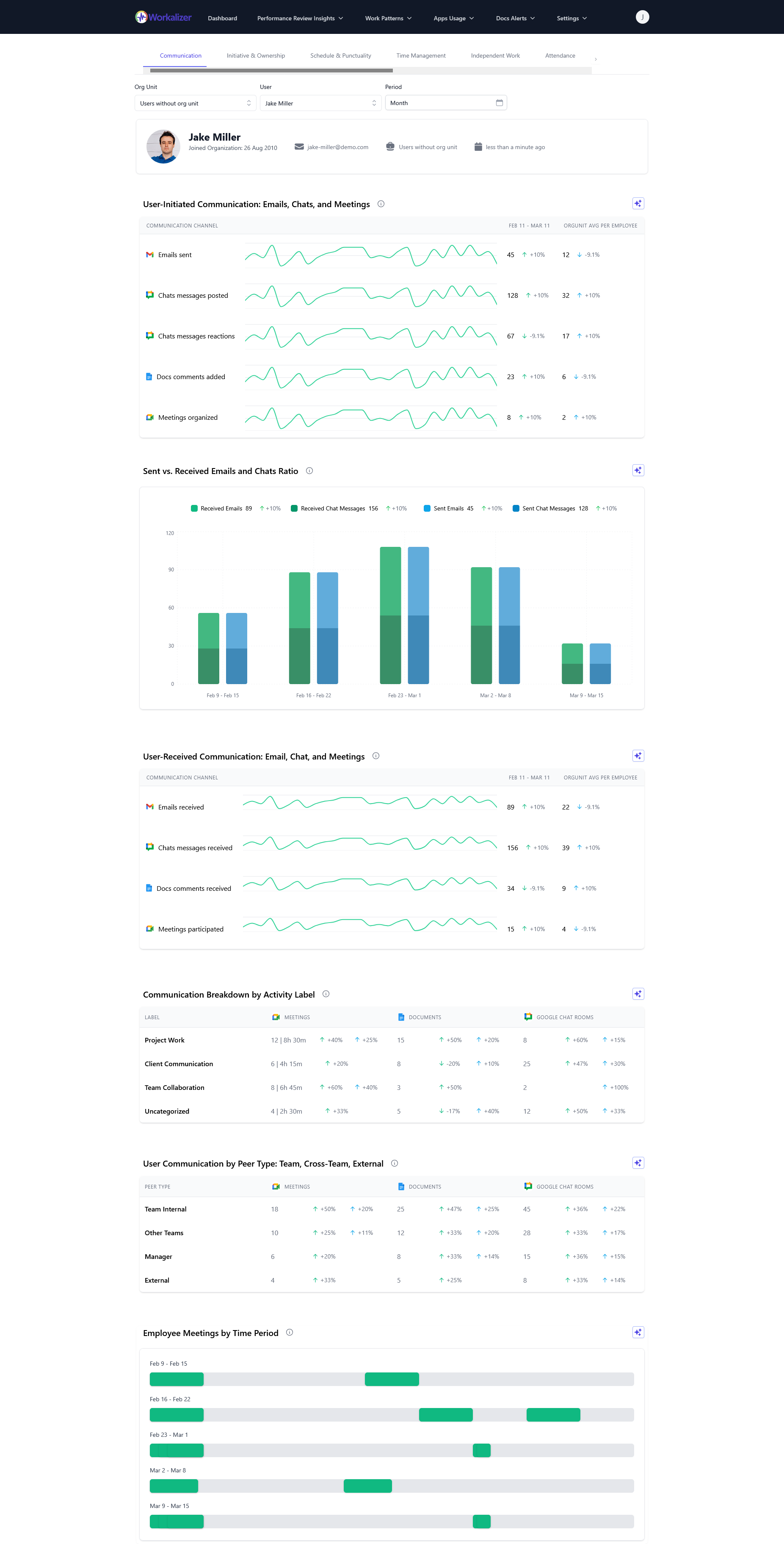
- Quick Huddles with Google Meet: When an employee calls in for intermittent leave, supervisors might need to quickly coordinate with the remaining team to reassign tasks or adjust workflow. Short, focused huddles via Google Meet can be invaluable. Workalizer allows you to track and optimize google meet duration, helping you understand how efficiently your teams are coordinating these rapid adjustments. Are these meetings brief and to the point, or are they dragging on, indicating potential communication bottlenecks?
- Real-time Updates with Gchat: For rapid, informal communication about shift changes, task handovers, or urgent coverage needs, effective gchat usage is critical. Monitoring communication patterns can help ensure information flows smoothly and quickly to minimize disruption.
- Shared Documents for Operational Plans: Keep operational plans, task lists, and contact information for on-call staff in shared Google Docs or Sheets. This ensures everyone has access to the latest information, even when a team member is unexpectedly absent.
5. Support for Supervisors and Managers
Your front-line leaders bear the brunt of managing intermittent leave. Provide them with:
- Clear Escalation Paths: Whom should they contact in HR or People Ops when an FMLA question arises or a difficult scheduling situation occurs?
- Tools and Resources: Access to FMLA forms, policy documents, and a quick reference guide.
- Empowerment: Give them the authority and flexibility to make on-the-spot decisions regarding coverage, within policy guidelines.
- Performance Review Support: Recognize that managing intermittent leave is a significant part of their role. During performance reviews, assess their ability to manage these situations effectively. Workalizer's Performance Review for Manager: Time with Each Team Member can help managers reflect on how they allocate their time and support their team members, even amidst unpredictable absences.
Checklist for Managing Intermittent FMLA in Hourly Workforces
Here’s a quick checklist to assess and improve your FMLA management:
- ✓ Is your FMLA policy clear, up-to-date, and easily accessible?
- ✓ Do employees understand their FMLA rights and responsibilities?
- ✓ Are supervisors adequately trained on FMLA compliance and operational management?
- ✓ Do you have cross-training initiatives in place to build workforce flexibility?
- ✓ Is there a process for quickly identifying and filling staffing gaps due to intermittent leave?
- ✓ Are you leveraging communication tools like Google Meet and Gchat for rapid coordination?
- ✓ Do you regularly review your google storage usage to ensure FMLA documents are organized?
- ✓ Do supervisors have clear escalation paths and support for FMLA challenges?
- ✓ Are you using analytics (like Workalizer's Google Meet duration reports) to assess communication efficiency during disruptions?
Conclusion: Balancing Compliance and Continuity
Managing intermittent FMLA leave for hourly or shift-based workforces is undoubtedly complex, but it doesn't have to be a constant source of operational chaos. By combining clear policies, ongoing training, proactive scheduling, and smart use of communication and analytics tools like Workalizer, you can create a system that supports both your employees' rights and your business's need for continuity. The goal is not just compliance, but also fostering a supportive and efficient work environment where unexpected absences can be managed with minimal friction.
Disclaimer: This blog post provides general information and best practices. It is not intended as legal advice. Employers should consult with qualified legal counsel to ensure compliance with all applicable FMLA regulations and state laws.