Workplace Harassment: A People Ops Guide to Sensitive Reports and the Activity Dashboard for Google Drive
The workplace should be a sanctuary of professionalism, a place where individuals are judged solely on their contributions and character, not on their personal lives or identities. Yet, incidents of harassment, unfortunately, still occur. When they do, how People Ops and HR teams respond is critical not only for the individuals involved but for the entire organizational culture.
A recent Reddit post from a new employee in North Carolina highlighted a common, yet deeply troubling, scenario: experiencing anti-gay comments from a colleague. This individual's journey from initial discomfort to reporting a clear line-crossing incident offers valuable insights for People Ops professionals on supporting employees, conducting investigations, and fostering a truly inclusive environment.
The Employee's Dilemma: Navigating New Territory and Harassment
Our Reddit user, just five weeks into a new warehouse job, faced an uncomfortable situation almost immediately. A temporary agency worker repeatedly questioned their sexual orientation, escalating from an uncomfortable query to using a derogatory slur. The user's initial hesitation to report – a desire to fit in, to not be 'the guy running to HR over every issue' – is a common and understandable reaction for many new employees.
This situation underscores a critical challenge for People Ops: creating an environment where employees, especially new hires, feel safe and empowered to report issues without fear of reprisal or being seen as a 'troublemaker.' The fact that the employee waited until the second, more egregious incident to report is not a sign of weakness or lack of credibility, but often a reflection of workplace dynamics and personal discomfort.
Was Waiting to Report a Mistake? Addressing Credibility Concerns
The employee's concern about whether waiting to report the first incident made them 'look less credible' is valid, as it's a common misconception. From a People Ops perspective, while prompt reporting is always encouraged to allow for quicker intervention, delaying a report does not inherently diminish its credibility.
A skilled HR professional understands that employees may delay reporting for various reasons: fear of retaliation, uncertainty about company policy, hope the behavior will stop, or simply not knowing how to navigate the process. The escalation of the behavior, as in this case, often validates the employee's eventual decision to come forward. What matters most is the content of the report and the consistency of the account, not the exact timing, especially when a clear line is crossed.
HR's Role in Action: Investigations Without Witnesses
In this specific case, HR listened, agreed to move the employee to another building, and took action. This immediate response, focusing on the reporting employee's safety and comfort, is a positive step. However, the employee's concern about the lack of witnesses and the likelihood of denial raises important questions about the investigation process.
Many workplace harassment incidents occur without direct witnesses. Harassment often thrives in isolated interactions. A People Ops team must be prepared to investigate thoroughly even when it's 'he said, she said.'
What Happens When There Are No Witnesses?
When a reported incident lacks direct witnesses, a workplace investigation doesn't stop. Instead, People Ops must:
- Gather All Available Information: Interview the complainant thoroughly, documenting every detail, including dates, times, specific language used, and any emotional impact.
- Interview the Accused: Present the allegations clearly and allow them to respond. Document their denial or explanation.
- Seek Circumstantial Evidence: Look for indirect evidence. Are there other employees who might have observed the interactions leading up to the incident, even if they didn't hear the specific comments? Is there a history of similar complaints against the accused? Are there any inconsistencies in either party's story?
- Assess Credibility: This is crucial. People Ops must evaluate the credibility of both parties based on their demeanor, consistency of statements, plausibility of their accounts, and any corroborating evidence (even if indirect).
- Consider the 'Preponderance of Evidence': Unlike criminal cases, workplace investigations often operate on a 'preponderance of evidence' standard, meaning it's more likely than not that the alleged behavior occurred.
- Take Appropriate Action: Even without direct witnesses, if the People Ops team finds the complainant's account more credible, or if there's enough circumstantial evidence, action can and should be taken. This could range from formal warnings, mandatory training, relocation (as in the Reddit post), or even termination, depending on the severity and company policy.
The fact that HR moved the employee, even without witnesses, demonstrates that they took the report seriously and prioritized the employee's well-being. This is a testament to effective People Ops.
Proactive People Ops Strategies for a Respectful Workplace
Beyond reacting to incidents, People Ops plays a vital role in preventing harassment and fostering a respectful, inclusive culture. This involves a multi-faceted approach:
1. Clear Policies and Training
- Anti-Harassment Policy: Develop and regularly communicate a robust, clear anti-harassment policy that explicitly defines prohibited conduct (including based on sexual orientation), outlines reporting procedures, and assures non-retaliation.
- Mandatory Training: Conduct regular, interactive training for all employees (including temporary staff, if applicable) on harassment prevention, diversity, equity, and inclusion. This training should cover what constitutes harassment, how to report it, and the company's commitment to a respectful workplace.
- Manager Training: Equip managers with the skills to identify, address, and report potential harassment proactively.
2. Fostering a Culture of Trust and Reporting
- Open Door Policy: Encourage employees to feel comfortable approaching HR or management with concerns.
- Confidentiality: Emphasize the importance of confidentiality in the reporting and investigation process to protect all parties.
- Visible Leadership Commitment: Leaders must visibly champion a culture of respect and zero tolerance for harassment.
3. Robust Documentation and Data Management
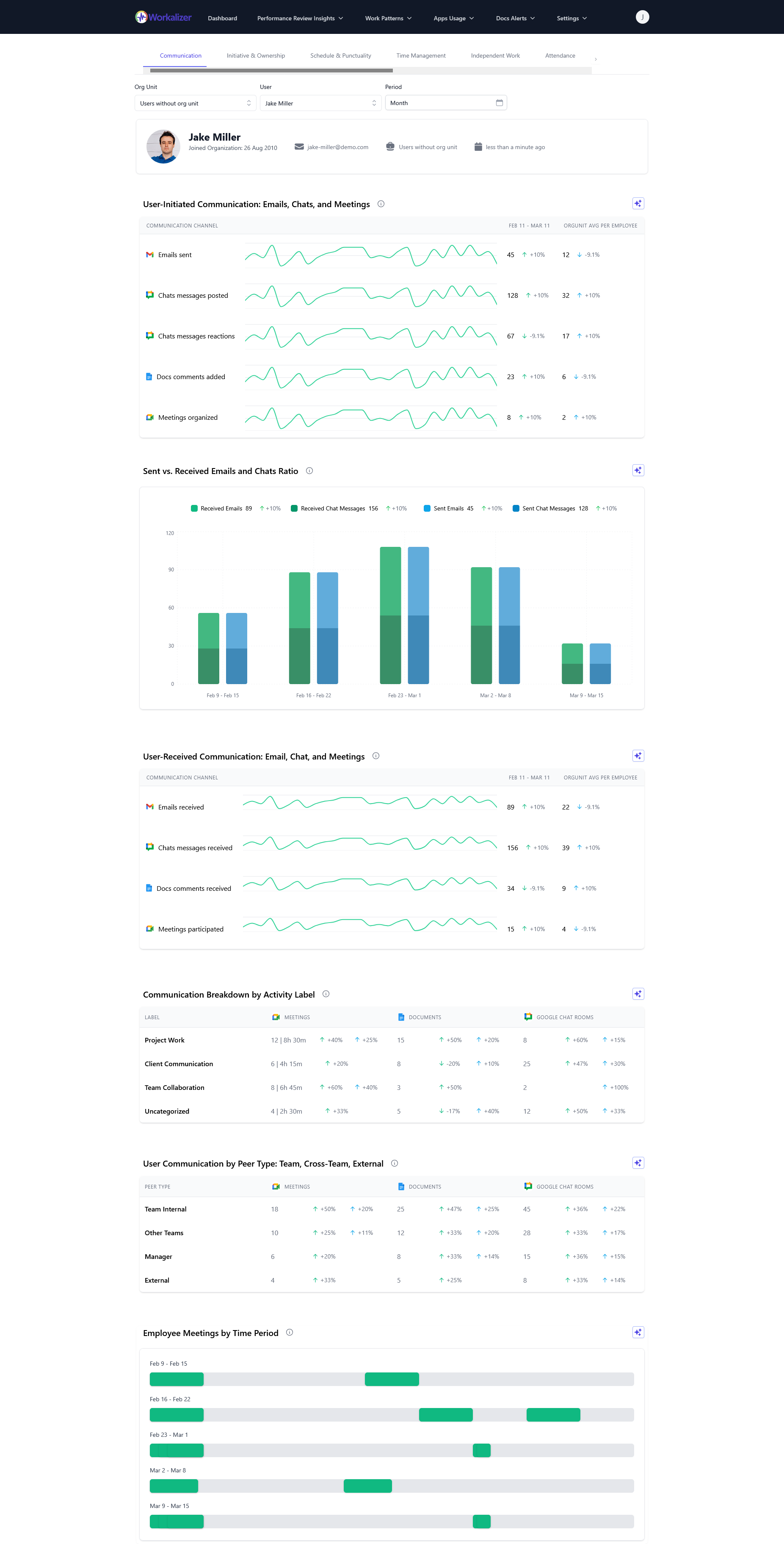
For People Ops teams managing sensitive investigation documents, maintaining a clear audit trail and ensuring data security is paramount. While not directly tracking harassment incidents, tools like the Activity Dashboard for Google Drive can help monitor access to confidential files, track document versions, and ensure that investigation records are handled securely and compliantly within your Google Workspace environment. This helps maintain the integrity of your HR processes and protects sensitive employee information.
For instance, People Ops can use the activity dashboard to check who has accessed investigation files, when changes were made, and ensure that only authorized personnel are viewing sensitive data. This adds a layer of accountability and security to critical HR documentation.
4. Consistent Application of Policies
Ensure that policies are applied consistently and fairly across all levels of the organization. Inconsistency can erode trust and create perceptions of bias.
Conclusion: Prioritizing a Professional and Safe Environment
The Reddit user's experience is a powerful reminder that People Ops must be vigilant, empathetic, and decisive when handling harassment reports. While the immediate action of relocating the employee was commendable, the underlying issues of harassment and the employee's initial hesitation to report highlight areas for continuous improvement in People Ops strategy.
By establishing clear policies, providing comprehensive training, fostering a culture of trust, and leveraging tools for secure documentation, People Ops can ensure that every employee feels safe, valued, and able to perform their best work in a truly professional environment. Remember, a safe workplace isn't just a legal requirement; it's the foundation of a thriving, productive organization.