Mastering Individual Speech Translation in Google Meet: Enhancing Multilingual Collaboration in Google Workspace
Seamless Multilingual Meetings: Your Personal Interpreter in Google Meet
In today's globalized work environment, multilingual meetings are a common occurrence. Google Meet's speech translation feature is designed to bridge language barriers, but how it works for individual participants can sometimes lead to confusion. A recent query on the Google support forum highlighted a specific need: the ability to hear others translated into one's preferred language, while ensuring other participants continue to hear the original speech.
The User's Dilemma: Personal Translation vs. Group Experience
Massimiliano Foggia, a Google Meet user, posed a pertinent question: "I would like to know if it is possible to have the voices of the other participants translated but audible only to me. In other words, I would not want all the other participants to hear the translated voice as well, but rather the voice in the original language." He provided an example: being in a German meeting and wanting to hear everyone in English, but for others to still hear the original German.
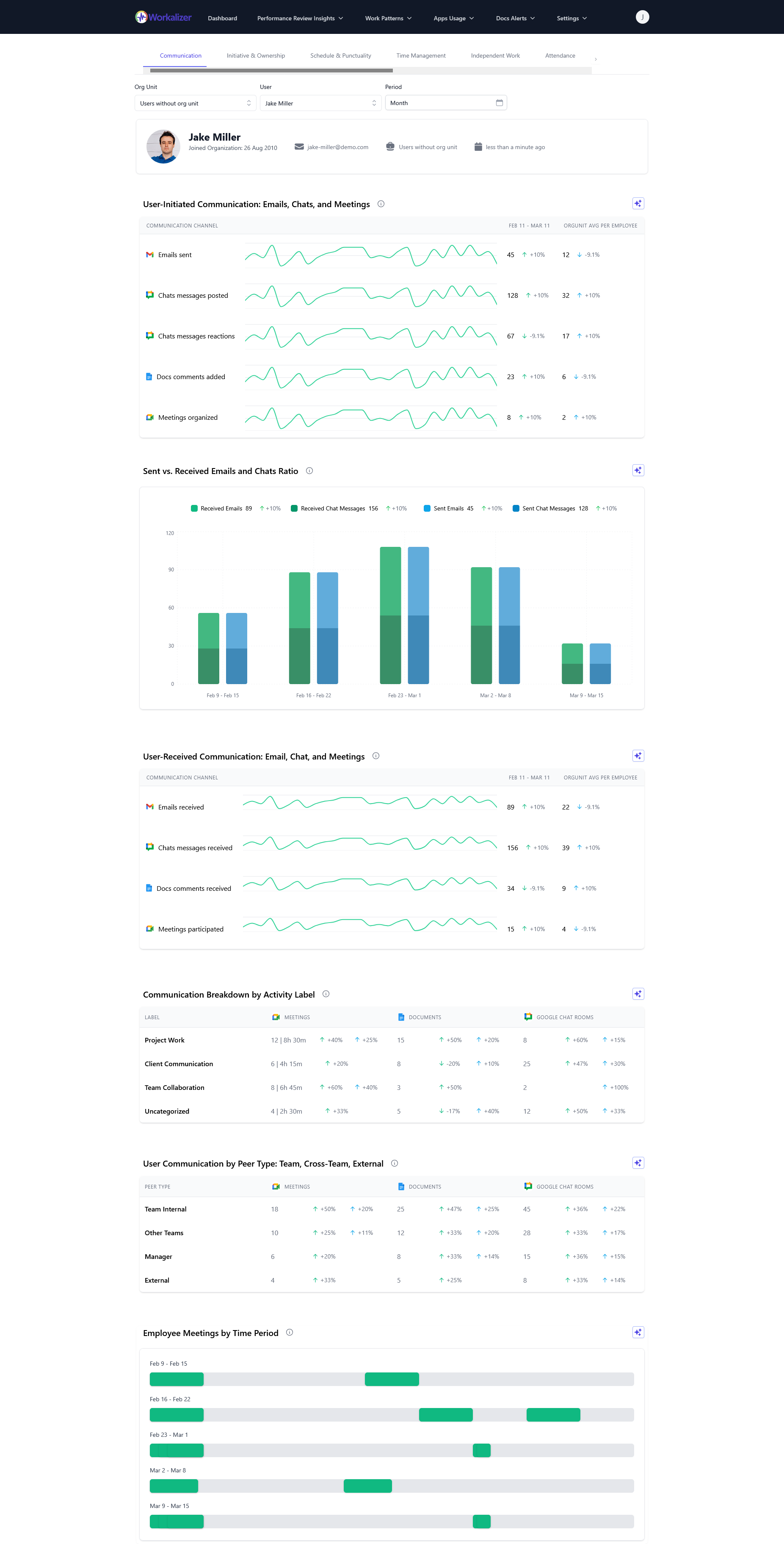
This scenario touches on a crucial aspect of inclusive communication: ensuring everyone can participate comfortably in their preferred language without disrupting the experience for others. While a comprehensive workspace google dashboard provides administrators with high-level google meet stats on usage and performance, the true power of Google Meet lies in its user-level features that empower individual productivity and communication.
Understanding Google Meet's Individual Speech Translation Settings
The confusion often arises from how the speech translation feature is perceived. Google Meet's Product Expert, NinCoT, clarified that each participant has individual control over their speech translation settings. This means that your choice to hear a translated version of a speaker's voice does not automatically force that translation upon other participants.
- For the Speaker: If a participant chooses to have their own speech translated (by selecting "translate me"), other participants will hear both their original voice and an AI-dubbed version in the meeting's designated language. This is akin to a consecutive interpreter in a live conference.
- For the Listener: Crucially, each participant can independently select their preferred listening language. This is where Massimiliano's need is met.
The Solution: Controlling Your Listening Experience
The key to achieving Massimiliano's desired experience lies in the individual participant's "Speech Translation settings" within Google Meet. If you want to hear a specific participant translated, you can set your 'Language you prefer to hear' to your desired language (e.g., English). Conversely, if other participants wish to hear the original language of a speaker (even if that speaker has enabled "translate me"), they can do so.
How to Ensure Others Hear the Original Speech:
If you are a participant in a multilingual meeting and wish to ensure you (or others) hear the original, untranslated speech from fellow attendees, follow these steps:
- During a Google Meet call, locate the "Speech Translation settings" icon (often a speech bubble or settings gear) in the upper right corner of your screen.
- Click on this icon to open the translation options.
- Under the "Language you prefer to hear" drop-down menu, select "Original speech".
By selecting "Original speech," participants ensure they are hearing the speaker's voice in its native form, regardless of whether the speaker has enabled their own outgoing translation. This granular control allows for truly personalized listening experiences in diverse language environments.
Empowering Inclusive Communication
This insight underscores Google Meet's commitment to fostering inclusive communication. The ability for each participant to tailor their listening experience independently is vital for effective global collaboration. It ensures that language barriers become less of an impediment to understanding and engagement, contributing to more productive meetings across your Google Workspace environment.
As always, if you have further suggestions for improving Google Meet's features, remember to use the "Send Feedback" option directly within the application to share your thoughts with the Google Meet team.