The On-Device AI Revolution and the Looming Hardware Crunch: Strategic Imperatives for Enterprise Leaders in 2027
As of May 2026, the artificial intelligence revolution is no longer a distant promise; it's a tangible force reshaping how we work, collaborate, and innovate. Yet, beneath the surface of incredible AI-driven productivity gains lies a brewing storm: a global hardware crunch with significant implications for every enterprise. At Workalizer, where we analyze Google Workspace signals to deliver unbiased productivity insights, we're seeing these two powerful trends converge, demanding a proactive, strategic response from HR leaders, engineering managers, and C-suite executives alike.
The Rise of On-Device AI: Privacy, Performance, and the Edge
The past year has seen a dramatic acceleration in the deployment of on-device AI, particularly with Google's advancements. This isn't just about faster processing; it's a fundamental shift in where and how AI operates. Google's Android AICore, for instance, now allows generative AI features to run directly on supported Android 14+ devices, leveraging models like Gemini Nano. This local processing capability brings a host of benefits that are critical for modern enterprises.
Gemini Nano and the Personal AI Assistant
Consider the experimental 'COSMO' AI assistant app, an accidental but revealing glimpse into Google Research's direction. This application, weighing in at a hefty 1.13 GB due to its embedded Gemini Nano model, promised to organize your day and answer complex questions directly on-device. While quickly pulled, its existence underscores a clear roadmap: powerful, personal AI assistants are moving from the cloud to our pockets. This on-device approach ensures that sensitive information remains on the device, never sent to the cloud or to Google, offering enhanced privacy – a paramount concern for any organization handling proprietary or confidential data. Features like advanced proofreading, automatic speech recognition (ASR), and smart reply in messaging apps like WhatsApp are already live, boosting individual productivity by keeping data local and accessible even offline. This capability profoundly changes how we think about data security when we leverage AI's evolving landscape for strategic leadership in 2026.
The Enterprise Advantage of Local AI
For enterprises, the benefits extend beyond individual user privacy. On-device AI means faster, more consistent performance, as features work even without a network connection. Imagine summarization of recorded meetings or real-time translation during international calls, all happening instantly and securely on your device. This offline functionality is a game-changer for field teams, remote workers, and anyone operating in environments with inconsistent connectivity. It also reduces reliance on cloud infrastructure for certain tasks, potentially lowering operational costs in the long run, even as it shifts computing demands to endpoints. The ability to process data locally also simplifies compliance challenges, as data governance becomes more contained. When employees need to redefine organizational efficiency in 2027, on-device AI will be a core enabler.
The Unforeseen Consequence: A Global Hardware Crunch
As impressive as on-device AI is, its rapid ascent is colliding with a critical reality: a severe global shortage of essential hardware components. This isn't just a minor inconvenience; it's a 'mageddon,' as one analyst recently described it.
RAM and Storage: The New Bottleneck
The exponential demand for AI, both in massive cloud data centers and on every new smart device, is voraciously consuming RAM (DRAM) and storage (SSD, NAND). Suppliers simply cannot keep pace. Samsung, a major player in the memory market, issued a stark warning in its earnings call this week: the RAM crisis is expected to worsen into 2027. The numbers are alarming: export prices for DRAM saw a staggering 26% increase between March 2026 and April 2026 alone. This isn't a gradual climb; it's a rocket launch of costs. This surge in demand and price directly impacts every company's ability to provision new hardware, from employee laptops and smartphones to server infrastructure. The need to efficiently manage digital assets, especially when you need to understand the severity of the situation, becomes even more critical.
Economic Realities for IT Budgets
For HR leaders and C-suite executives, this hardware crunch translates directly into spiraling IT procurement costs and longer lead times for essential equipment. What was once a predictable expenditure is now volatile and rapidly escalating. Investing in new devices capable of handling on-device AI, like those running Android 14+ with Gemini Nano, will come at a premium. Organizations must now factor in significantly higher hardware costs when planning their digital transformation initiatives and budgeting for employee productivity tools. This economic reality demands a re-evaluation of hardware refresh cycles and a greater emphasis on maximizing the lifespan and efficiency of existing infrastructure. For instance, managing how teams share files with Google Files, especially large AI-generated outputs, will require more robust storage solutions and careful planning.
Strategic Imperatives for Enterprise Leaders in 2027
Navigating this dual landscape of transformative AI and a strained hardware supply chain requires foresight and decisive action.
Optimizing Google Workspace for AI-Driven Efficiency
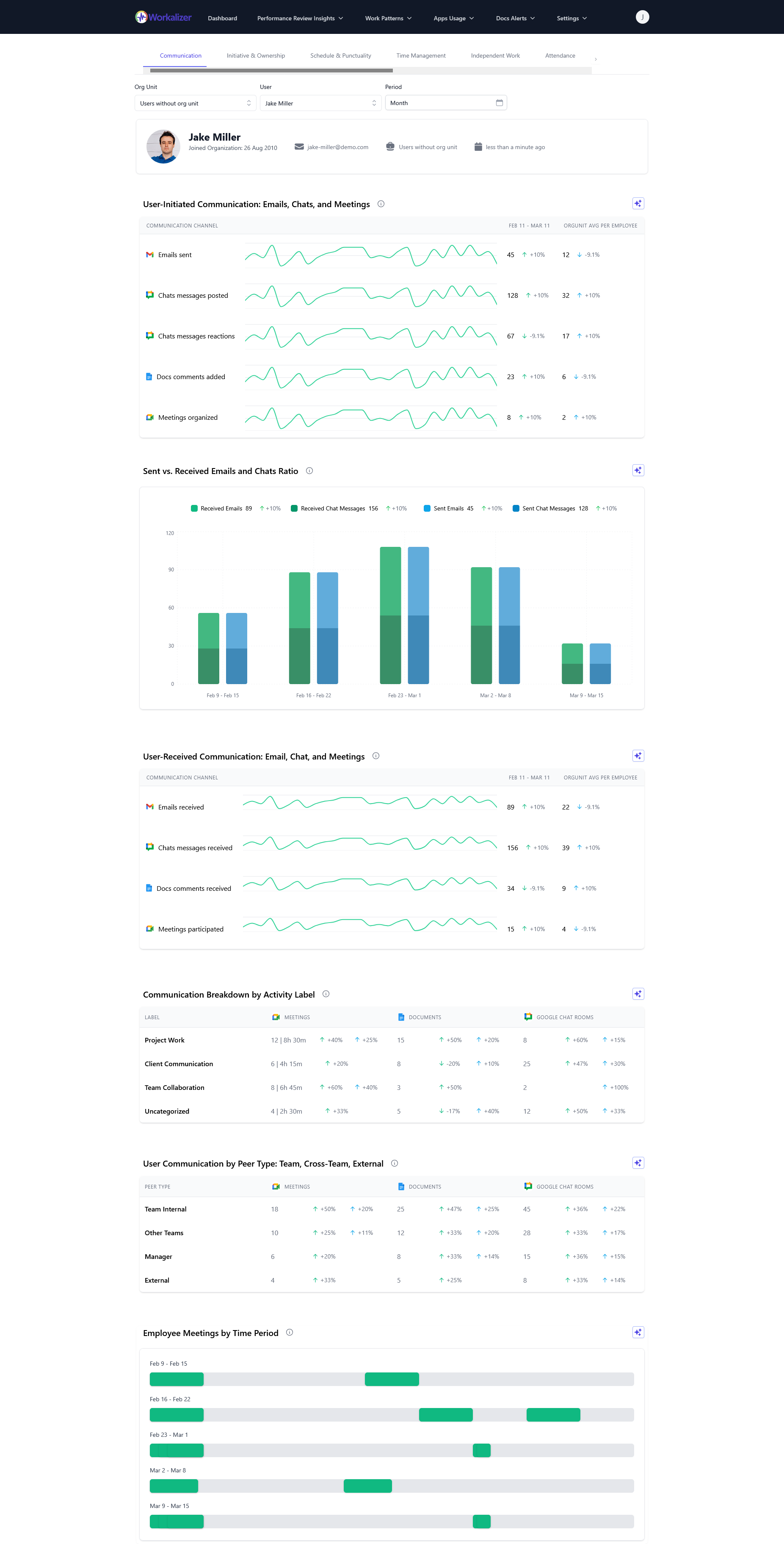
Workalizer's core mission is to help organizations achieve peak efficiency within their Google Workspace ecosystem. With on-device AI enhancing tools like Gmail, Drive, Chat, and Meet, understanding actual usage patterns becomes even more vital. Where are your teams gaining the most from AI-powered smart replies or summarization? Are they effectively using these tools to collaborate, or are there bottlenecks? Our platform provides the data-driven insights to answer these questions, ensuring your investment in AI translates into measurable productivity gains. For instance, optimizing how teams google drive share documents with non gmail users can be streamlined with AI-powered suggestions for permissions and access, but requires careful oversight to maintain security and compliance.
Talent Development and AI Literacy
The rapid evolution of AI means continuous learning is non-negotiable. HR leaders must invest in upskilling programs to ensure employees are not just aware of AI tools but proficient in leveraging them for maximum impact. This includes understanding the nuances of on-device AI for privacy and offline work. Neglecting this aspect risks creating a significant 'AI productivity paradox,' a challenge we highlighted in our recent article, '5 AI Productivity Paradoxes: What HR Leaders Need to Master in 2026'.
Proactive Hardware Procurement and Lifecycle Management
Given the 'mageddon' in RAM and storage, a reactive approach to hardware will be costly. Engineering managers and the C-suite need to adopt a proactive procurement strategy, anticipating needs well in advance and exploring alternative suppliers or longer-term contracts. This also means a renewed focus on hardware lifecycle management, extending the life of existing devices where possible, and making informed decisions on upgrades based on true performance requirements, especially for AI-intensive tasks. Understanding the storage demands of local AI models, as Google recently explained regarding why Android AICore occasionally takes up more storage, is crucial for planning.
Workalizer's Role in Navigating the AI Frontier
At Workalizer, we believe data is your most powerful ally in this new era. Our AI-powered platform provides clear, unbiased insights into how your organization is truly leveraging Google Workspace. By analyzing signals from Gmail, Drive, Chat, Gemini, and Meet, we help you identify areas of efficiency, pinpoint training needs, and validate the ROI of your AI investments. In a world where every dollar spent on hardware counts, and every minute of productivity matters, Workalizer offers the clarity you need to make strategic decisions. We help you understand the real-world impact of tools like Gemini's Canvas feature, as showcased during Google I/O 2026's 'Code the Countdown', on your team's innovative capacity. The experimental nature of new AI applications, even those accidentally released like Google's COSMO AI assistant, highlights the constant innovation you need to track.
The Road Ahead: Strategic Adaptation is Key
The convergence of pervasive on-device AI and a tightening hardware market presents both immense opportunities and significant challenges. For enterprise leaders, the path forward is clear: embrace the transformative power of AI while strategically mitigating the risks posed by resource scarcity. By focusing on data-driven optimization, continuous talent development, and proactive hardware management, your organization can not only weather the coming storm but emerge stronger, more efficient, and truly future-ready. The future of productivity isn't just about the AI itself; it's about how strategically you adapt to its profound ripple effects across your entire operation.