Google Workspace 2026: How AI Will Reshape Collaboration and Productivity
The AI-Powered Workspace: A Glimpse into 2026
Imagine a workday where your tools anticipate your needs, personalize your experience, and proactively optimize your productivity. This isn't science fiction; it's the reality unfolding within Google Workspace as we move into 2026. The integration of Artificial Intelligence (AI) is no longer a futuristic concept but a tangible force reshaping how we collaborate, communicate, and create.
We're moving beyond simple automation towards a truly intelligent workspace, one that understands context, learns from user behavior, and adapts to individual preferences. This means less time spent on repetitive tasks, fewer distractions, and more focus on high-impact work. For HR leaders, engineering managers, and C-suite executives, this translates to a more engaged, efficient, and productive workforce. Let's delve into the key trends driving this transformation.
Hyper-Personalization: The Key to Unlocking Individual Potential
One of the most significant shifts we're seeing is the rise of hyper-personalization. No longer are we confined to one-size-fits-all software solutions. AI algorithms are now capable of analyzing individual work patterns, communication styles, and learning preferences to tailor the Workspace experience to each user. As we covered in our previous blog post, The Hyper-Personalized Workspace: How AI is Reshaping Productivity in 2026, this level of customization is crucial for maximizing individual potential.
For example, Gemini, deeply integrated into Workspace, learns your writing style and suggests relevant phrases, saving you time and improving clarity. AI-powered meeting summaries in Meet automatically capture key decisions and action items, ensuring everyone stays informed without having to attend every meeting. Features like priority inbox intelligently filter emails, highlighting the most important messages and reducing information overload. These seemingly small improvements add up to significant gains in overall productivity. Furthermore, the ability to quickly share file by google drive with specific access permissions ensures secure and efficient collaboration.
Case Study: A Boost in Engineering Productivity
Consider a case study from a leading software engineering firm. By implementing AI-powered code completion and debugging tools within their Google Workspace environment, they saw a 20% increase in developer productivity. This translated to faster project turnaround times and a significant reduction in development costs. As we mentioned in Unlock Autonomous Coding: How Google's Antigravity and Gemini 3 Supercharge Development, AI is revolutionizing coding practices.
AI-Driven Health and Well-being Initiatives
Beyond productivity, AI is also playing a crucial role in promoting employee health and well-being. Google is investing heavily in AI-powered health solutions, as highlighted in their recent announcement of new health AI funding and a report signaling a turning point for health in Europe. These initiatives are designed to proactively identify potential health risks, provide personalized wellness recommendations, and connect employees with the right resources.
Imagine an AI system that analyzes anonymized data from Workspace usage to identify patterns of burnout or stress. It could then proactively suggest breaks, recommend mindfulness exercises, or connect employees with mental health professionals. This proactive approach can help prevent burnout, improve employee morale, and reduce healthcare costs. Furthermore, AI can assist in scheduling regular breaks and encouraging physical activity throughout the day, promoting a healthier and more balanced work life.
Google for Education: Shaping the Future of Learning
The impact of AI extends beyond the corporate world. Google for Education is leveraging AI to personalize learning experiences, provide real-time feedback to students, and automate administrative tasks for educators. This allows teachers to focus on what they do best: inspiring and mentoring students. The use of AI in education is not about replacing teachers but empowering them to create more engaging and effective learning environments.
The Evolving Role of Performance Reviews
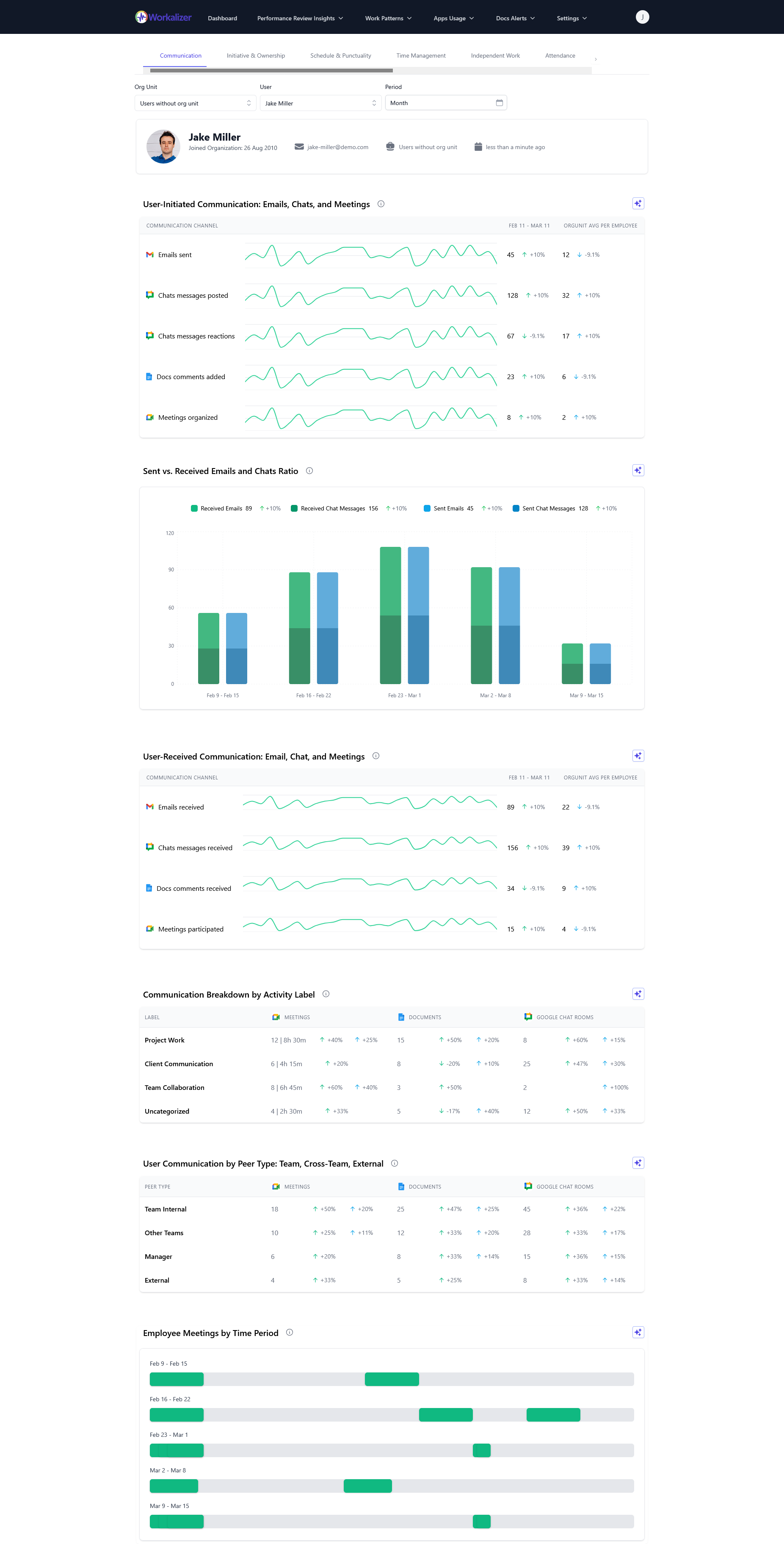
With the increased integration of AI into Google Workspace, the traditional annual performance review is becoming increasingly obsolete. AI-powered analytics can provide continuous feedback, identify skill gaps, and track progress in real-time. This allows managers to have more frequent and meaningful conversations with their team members, fostering a culture of continuous improvement. As we discussed in our article Are Annual Performance Reviews Officially Obsolete?, the future of performance management is about ongoing development, not just annual evaluations.
AI can also help to eliminate bias in performance reviews by providing data-driven insights based on objective metrics. This ensures that employees are evaluated fairly and equitably, promoting a more inclusive and diverse workplace. By leveraging AI to track key performance indicators (KPIs) and provide personalized feedback, organizations can create a more transparent and effective performance management system.
Navigating the Future: A Call to Action
As we move further into 2026, the integration of AI into Google Workspace will only continue to accelerate. HR leaders, engineering managers, and C-suite executives must embrace these changes and proactively prepare their organizations for the future of work. This includes investing in AI training and development, fostering a culture of experimentation, and prioritizing employee well-being. By embracing the power of AI, organizations can unlock new levels of productivity, innovation, and employee engagement.
The future of work is here, and it's powered by AI. Are you ready to lead the way?