Lost Google Drive Data? A Guide to Recovery & Your Activity Dashboard
Navigating Google Drive Data Loss: What to Do When Files Vanish
Data loss can be a nightmare for any organization, especially when critical files disappear from shared cloud storage like Google Drive. A common scenario, as highlighted in a recent Google support forum thread, involves an employee accidentally (or intentionally) deleting all data, only for it to be missing from the trash. This community insight from workalizer.com will guide you through the recovery process and emphasize proactive measures.
The Urgent Case: Empty Trash, Missing Files
The original post describes a critical situation: “one of my employee deleted all data from google drive and its not available in trash please help me to retrieve all data”. This immediate panic is understandable, as the usual first step—checking the trash—has already failed. Fortunately, there are still avenues to explore, especially for Google Workspace users.
Understanding Google Drive Data Recovery Options
Not all deletions are created equal. The recovery potential depends on how the data was deleted and how much time has passed.
- Offline vs. Online Deletion: If files were deleted offline or directly from a synced device without being moved to the Drive trash, recovery is generally much harder, if not impossible, through Google's tools. However, if deleted online within the Google Drive interface, there's a better chance.
- The Google Drive File Recovery Tool: If files are not in the trash, Google provides a dedicated file recovery tool. This is your next crucial step. It attempts to restore recently deleted files that might have bypassed the trash or were emptied from it.
- The Critical 25-Day Window: It's vital to act quickly. As the expert Mahabub Hasan Munna notes, “If you deleted the files from the Google Drive trash bin, and it was more than 25 days ago, the data will have been purged from Google's servers and the files are gone forever with no chance of recovery.” This 25-day limit is a hard deadline for recovery from Google's servers.
When to Contact Support or Your Workspace Administrator
If the file recovery tool doesn't yield results:
- For Personal Accounts: Contact a Drive Support Specialist directly.
- For Workspace (Business/School) Accounts: This is where your organizational structure becomes key. “If you are a Workspace (business or school/education) or G Suite account user, then contact your organization's Workspace administrator for help with recovering your files.” Workspace administrators have elevated privileges and additional tools that standard users do not. They can often recover data for a longer period than the 25-day user trash limit, typically up to 30 days after permanent deletion from the trash.
Proactive Measures: Leveraging Your Activity Dashboard in Google Drive
While the immediate focus is recovery, preventing future data loss is paramount. This is where administrative tools become invaluable:
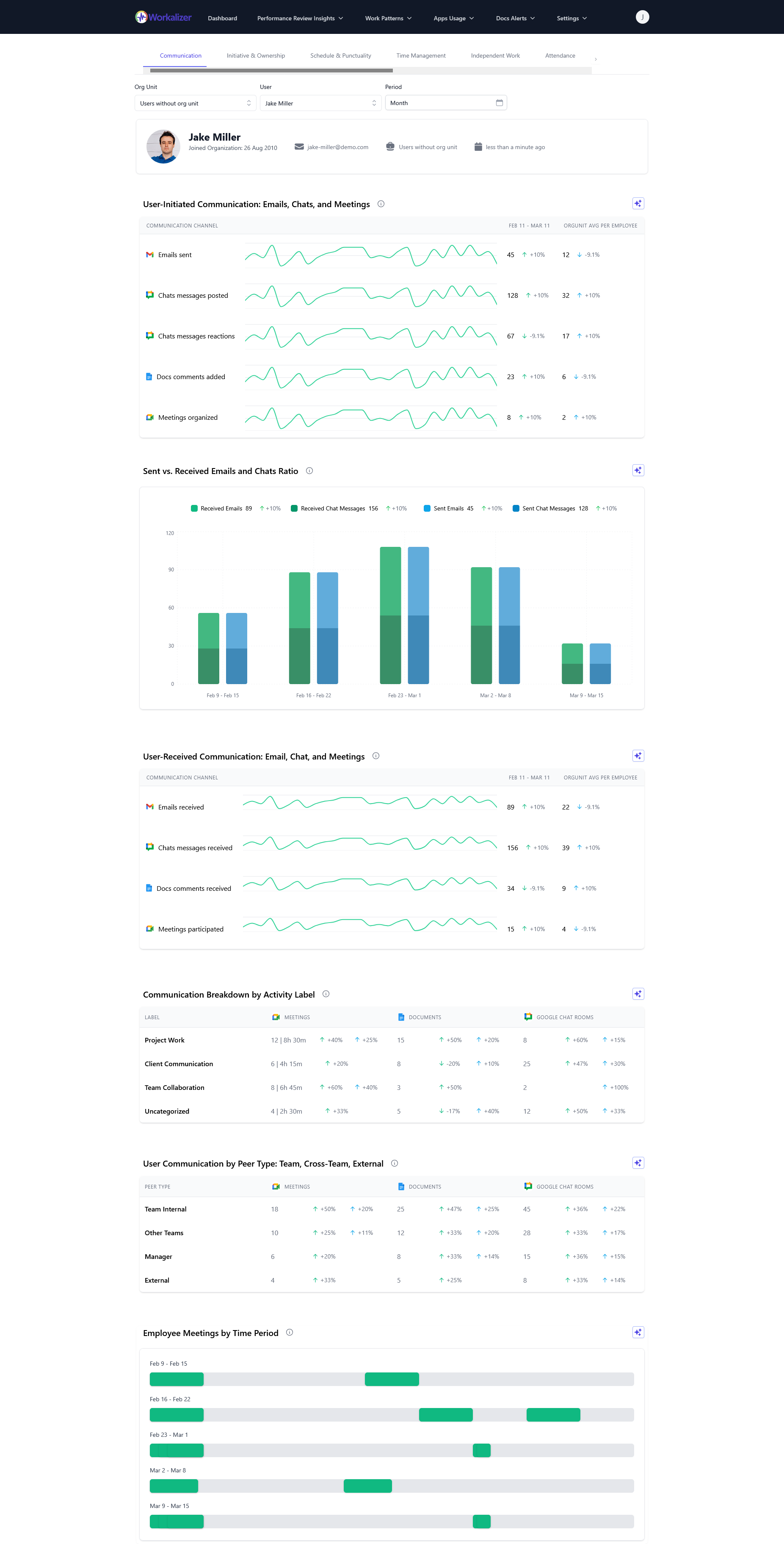
- Monitor with the Activity Dashboard: For Workspace administrators, the activity dashboard in Google Drive is a powerful feature. It allows you to track file changes, deletions, and access patterns across your organization. By regularly reviewing the activity dashboard in Google Drive, admins can identify unusual deletion patterns, pinpoint who deleted files, and understand when the deletion occurred. This insight is crucial not only for recovery efforts but also for enforcing data governance policies and identifying potential security risks.
- Implement Clear Policies: Establish clear guidelines for data handling, deletion, and sharing within your organization.
- Regular Backups: Consider third-party backup solutions for critical Google Drive data to add an extra layer of protection beyond Google's native recovery options.
Losing data can be stressful, but understanding the available recovery paths and acting swiftly can make all the difference. For Google Workspace users, your administrator is your best ally, equipped with tools like the activity dashboard in Google Drive to help manage and protect your organizational data.