Google Drive File Recovery: Steps to Restore Lost Videos and Documents, Plus Google Workspace Admin Tips
Accidentally deleting an important file can be a frustrating experience, especially when it's a cherished memory like a video. This exact scenario played out in a recent Google Drive support thread, where a user desperately sought to restore a video mistakenly deleted by a family member. While Google Drive offers robust recovery options, understanding the timelines and specific procedures for personal versus Google Workspace accounts is crucial for successful restoration.
First Steps: Checking Your Google Drive Trash
The immediate go-to for any deleted file in Google Drive is the Trash (or Recycle Bin). When a file is deleted, it isn't immediately gone forever. It moves to the Trash, where it resides for 30 days before permanent deletion. The process to restore is straightforward:
- Navigate to drive.google.com.
- On the left-hand side, select "Trash".
- Locate your file. You can sort by "Trash date" to find recently deleted items.
- Right-click on the desired file and select "Restore".
Important Note: Files deleted from Google Drive's Trash are permanently removed after 30 days. Furthermore, files permanently deleted from other Google services like Gmail, Google Photos, or WhatsApp backups are generally not recoverable through Google Drive's direct restoration methods.
When the Trash is Empty: Advanced Recovery Options
What if the file has been permanently deleted from the Trash, or more than 30 days have passed? There's still a glimmer of hope, though the window is much narrower (typically within 25 days of permanent deletion from Trash).
For Personal (Free) or Google One Accounts:
Users with personal Google accounts or Google One subscriptions can contact a Google Drive Specialist directly. It's vital to:
- Fill out the dedicated recovery form.
- Submit the form only once. Multiple submissions can lead to your request being blocked.
For Google Workspace (Business, School, or G Suite) Accounts:
This is where organizational structure plays a key role. If you're using Google Drive as part of a Google Workspace environment, your primary point of contact for file recovery is your account administrator. Google Workspace administrators have specific tools and elevated permissions to restore permanently deleted files for users within their domain. They typically access these features through the google workspace login dashboard, which provides a comprehensive overview of user data, security, and management options. Knowing how to navigate the htt gsuite google com dashboard is crucial for an admin in such scenarios.
Where Workalizer Helps: Proactive Data Governance and Activity Monitoring
While recovery steps are reactive, organizations can leverage tools like Workalizer to proactively monitor and manage Google Drive activity, reducing the risk of critical data loss and streamlining recovery efforts.
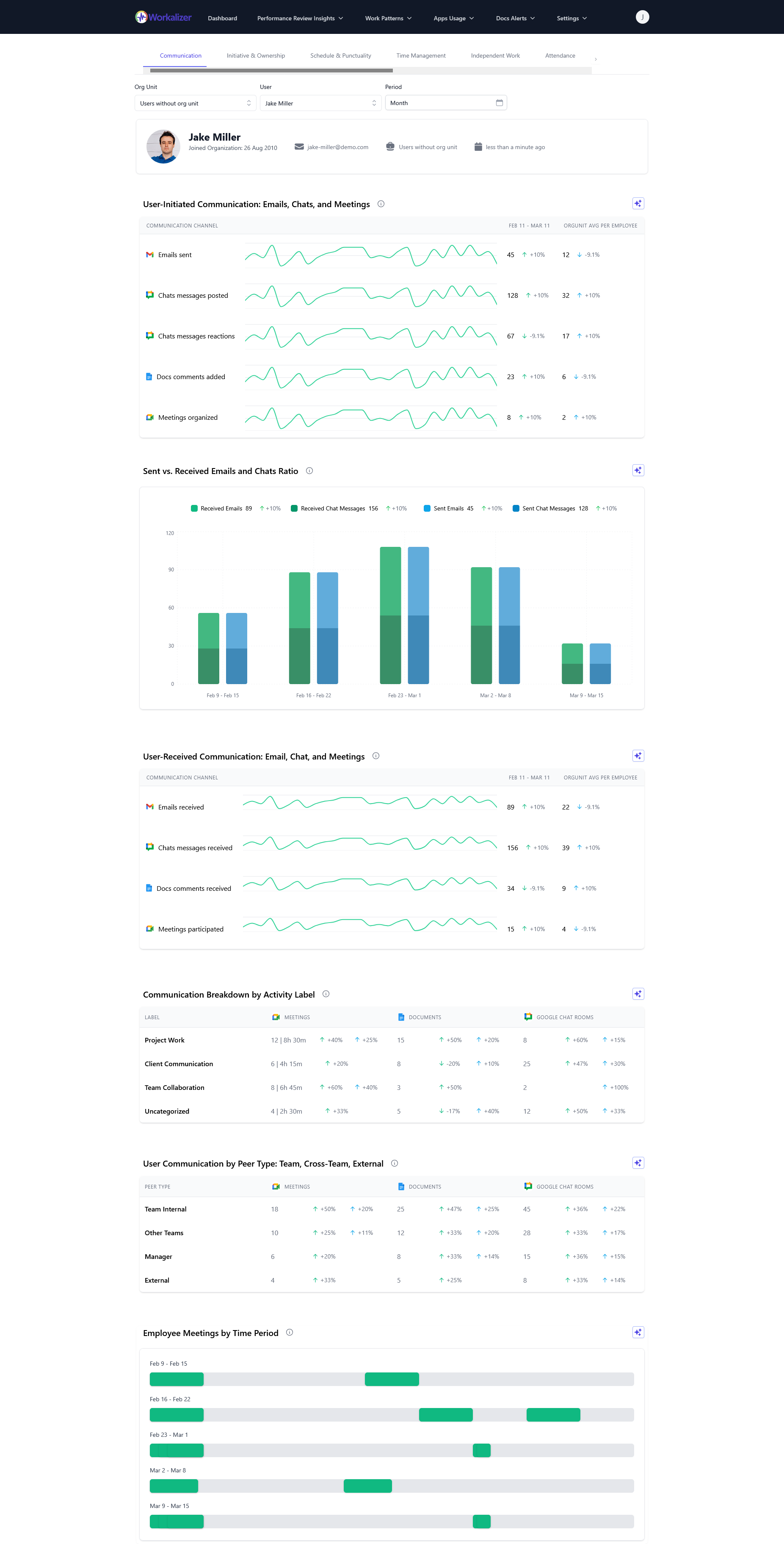
- Activity Monitoring: Workalizer's Activity Dashboard for Google Drive allows administrators to track who deleted what, and when. This can be invaluable in quickly identifying the source of a deletion and initiating recovery.
- Usage Reports: The Google Drive Usage Report can help identify trends in file deletions or movements, highlighting potential areas for user training or policy enforcement.
- Document Alerts: For highly sensitive documents, Workalizer's Document Alerts can be configured to notify administrators immediately if a specific file or folder is deleted, enabling rapid response before the recovery window closes.
By integrating Workalizer into their operations, Google Workspace administrators can move beyond reactive recovery to a more proactive stance on data governance and security, ensuring that important documents and videos are protected.
Key Takeaways for Data Protection
- Always check your Google Drive Trash first for recently deleted files.
- Be aware of the 30-day permanent deletion policy for files in Trash.
- For personal accounts, use the Google Drive Specialist form within 25 days of permanent deletion.
- For Google Workspace accounts, contact your administrator immediately. They utilize the Google Workspace dashboard to manage such requests.
- Consider implementing tools like Workalizer to monitor activity and set alerts for critical document changes, helping to prevent data loss before it becomes a crisis.