The Future of Workspace Collaboration: AI, Modularity, and the Shifting Sands of Productivity in 2026
The Workspace, Reimagined: A Look at Collaboration in 2026
The year is 2026. The office, both physical and virtual, has undergone a dramatic transformation. Forget static cubicles and endless email chains. We're entering an era defined by AI-powered insights, modular devices, and a relentless pursuit of optimized productivity. But are these advancements truly enhancing collaboration, or are they creating new challenges for HR leaders, engineering managers, and C-suite executives focused on organizational efficiency?
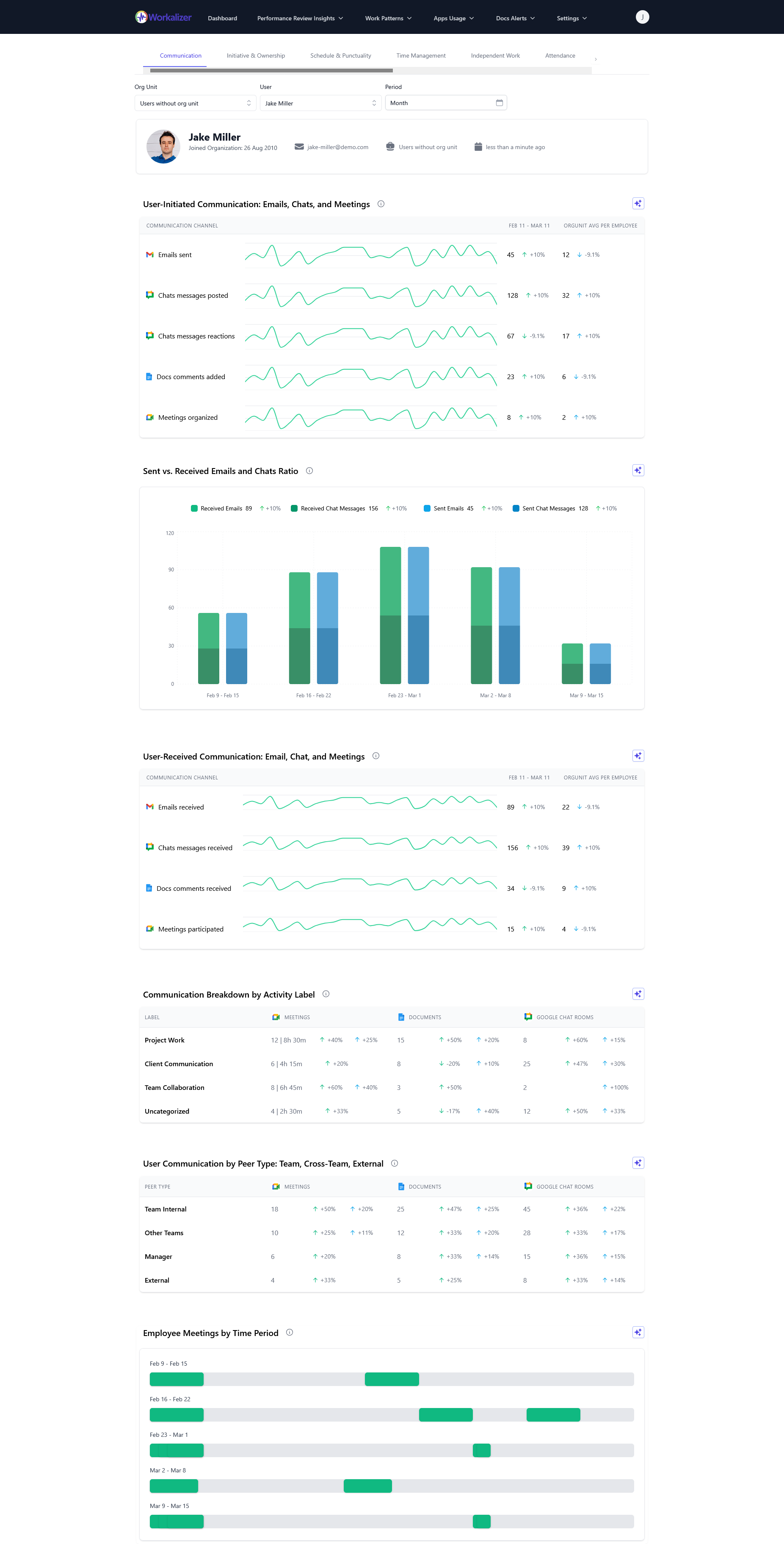
At Workalizer, we've been closely monitoring these shifts, analyzing usage patterns within Google Workspace to provide data-driven insights. Our platform leverages AI to understand how teams are *actually* working, not just how they *think* they're working. This allows us to identify bottlenecks, highlight best practices, and ultimately, improve overall performance. This year, we're seeing several key trends emerge that will fundamentally reshape how we collaborate.
AI-Powered Productivity: Friend or Foe?
AI is no longer a futuristic fantasy; it's an integral part of the modern workspace. From intelligent assistants scheduling meetings to AI-powered tools summarizing lengthy documents, the potential for increased efficiency is undeniable. However, the integration of AI also raises critical questions about data privacy, algorithmic bias, and the potential for job displacement.
Consider the rise of tools like Gemini within Google Workspace. While Gemini promises to streamline tasks and enhance creativity, it's crucial to understand how these tools are being used within your organization. Are employees leveraging Gemini to genuinely improve their work, or are they simply relying on it as a crutch? Understanding the difference is key to maximizing the benefits of AI while mitigating its potential risks. For example, if you're encountering issues with the platform, consider troubleshooting Gemini Extensions to ensure a seamless integration.
The Data Deluge: Turning Insights into Action
The sheer volume of data generated within a modern organization can be overwhelming. Emails, documents, chat logs, meeting recordings – it's a constant stream of information. AI can help us make sense of this data, identifying patterns and trends that would otherwise go unnoticed. Workalizer, for example, analyzes Google Workspace usage to provide performance review insights, helping managers make data-driven decisions about employee development and resource allocation.
However, simply collecting data is not enough. The real challenge lies in turning those insights into actionable strategies. This requires a clear understanding of your organization's goals, as well as the ability to communicate data effectively to all stakeholders. HR leaders must play a crucial role in training employees on how to interpret and utilize AI-generated insights, ensuring that these tools are used to enhance, not replace, human judgment.
The Rise of Modular Devices: A New Era of Flexibility?
At MWC 2026, Tecno unveiled a magnetic modular smartphone concept that turned heads. According to Android Police, this audacious product, while technically impressive, begs the question: are modular phones really the future? The concept of modularity extends beyond smartphones. We're seeing a growing trend towards customizable workspaces, flexible software solutions, and adaptable organizational structures. This reflects a desire for greater agility and responsiveness in an increasingly dynamic business environment.
The benefits of modularity are clear: increased flexibility, reduced waste, and the ability to adapt quickly to changing needs. However, modularity also presents challenges. Managing a diverse ecosystem of devices and software can be complex, requiring robust IT infrastructure and clear security protocols. Furthermore, ensuring compatibility and seamless integration between different modules is essential for maintaining productivity.
The BYOD Dilemma: Balancing Flexibility and Security
The rise of modular devices also raises questions about Bring Your Own Device (BYOD) policies. While BYOD can offer cost savings and increased employee satisfaction, it also introduces significant security risks. Organizations must implement strong security measures, such as mobile device management (MDM) software and data encryption, to protect sensitive information from unauthorized access. Furthermore, clear policies regarding data ownership and usage are essential for mitigating legal and ethical risks. If you're working with sensitive data, remember to take all precautions when sharing. For example, it's important to understand how to share files in Google Drive through link securely.
The Shifting Sands of Productivity: What Does it Really Mean?
For years, productivity has been measured by metrics like hours worked and tasks completed. However, this traditional approach fails to capture the nuances of modern work. In 2026, productivity is increasingly defined by factors like creativity, collaboration, and employee well-being. As organizations become increasingly reliant on digital tools, they must also prioritize the human element of work.
This means fostering a culture of trust, empowerment, and continuous learning. Employees should be encouraged to experiment with new tools and technologies, and they should be given the autonomy to manage their own time and workload. Furthermore, organizations must prioritize employee well-being, recognizing that burnout and stress can significantly impact productivity. Remember, you can control who views your Google Docs, but it's also important to consider your team's digital well-being when considering how do you share a google doc with someone.
Beyond the Bottom Line: Measuring Impact and Value
Ultimately, the goal of any productivity initiative should be to create value for the organization and its stakeholders. This means measuring not just output, but also impact. Are we solving real problems for our customers? Are we creating innovative products and services? Are we making a positive contribution to society?
To answer these questions, organizations must adopt a more holistic approach to performance measurement. This includes tracking metrics like customer satisfaction, employee engagement, and social impact. Furthermore, organizations must be willing to experiment with new ways of working, embracing a culture of continuous improvement and innovation.
Looking Ahead: Embracing Change and Building a Collaborative Future
The future of workspace collaboration is uncertain, but one thing is clear: change is inevitable. Organizations that embrace change, prioritize innovation, and invest in their people will be best positioned to thrive in the years ahead. By leveraging AI, embracing modularity, and redefining productivity, we can create a more collaborative, efficient, and fulfilling work experience for everyone.
As Digital Trends reports, Apple is set to release a new wave of Macs this year, it's also important to consider how these new devices will further impact work productivity. Similarly, Nvidia is reportedly working with Samsung to revive the RTX 3060 according to Digital Trends, suggesting that even hardware is also taking steps to improve productivity.
At Workalizer, we're committed to helping organizations navigate these changes and unlock the full potential of their workforce. Contact us today to learn more about how our AI-powered platform can help you optimize your Google Workspace usage and drive organizational efficiency.