The AI Investment Tsunami: How $110 Billion is Reshaping the Future of Work
The AI Investment Tsunami: How $110 Billion is Reshaping the Future of Work
The tectonic plates of the tech world shifted this week. OpenAI's announcement of a staggering $110 billion funding round, spearheaded by industry giants like SoftBank, Nvidia, and Amazon, isn't just another headline; it's a seismic event signaling a profound acceleration in the AI revolution. But what does this mean for how we work, collaborate, and compete in 2026 and beyond? The implications are far-reaching, demanding that HR leaders, engineering managers, and C-suite executives proactively prepare for a dramatically altered landscape.
The Scale of the Investment: A New Era for AI
Let's put that $110 billion figure into perspective. It's not just a large number; it's a declaration. As reported by The Next Web, this investment positions OpenAI as one of the most aggressively funded technology projects in history. The sheer scale of this capital infusion underscores the belief that AI is no longer a futuristic concept but a present-day reality poised to reshape every facet of our lives, especially the workplace.
This funding wave is driven by the surging demand for AI tools. OpenAI reports that ChatGPT has reached over 900 million weekly active users and boasts over 50 million paid subscribers. These metrics aren't just vanity numbers; they demonstrate the rapid adoption of AI in everyday economic activities. Businesses are integrating AI into their workflows at an unprecedented pace, seeking to boost productivity, automate tasks, and gain a competitive edge.
The Productivity Paradox: Will AI Deliver on its Promise?
The promise of AI is tantalizing: increased efficiency, reduced costs, and enhanced innovation. But as we've explored in our previous post, Is AI Autonomy a Productivity Mirage?, the path to realizing these benefits isn't always straightforward. Simply throwing AI at a problem doesn't guarantee success. Organizations need to strategically integrate AI into their existing workflows, ensuring that employees are properly trained and equipped to leverage these new tools effectively.
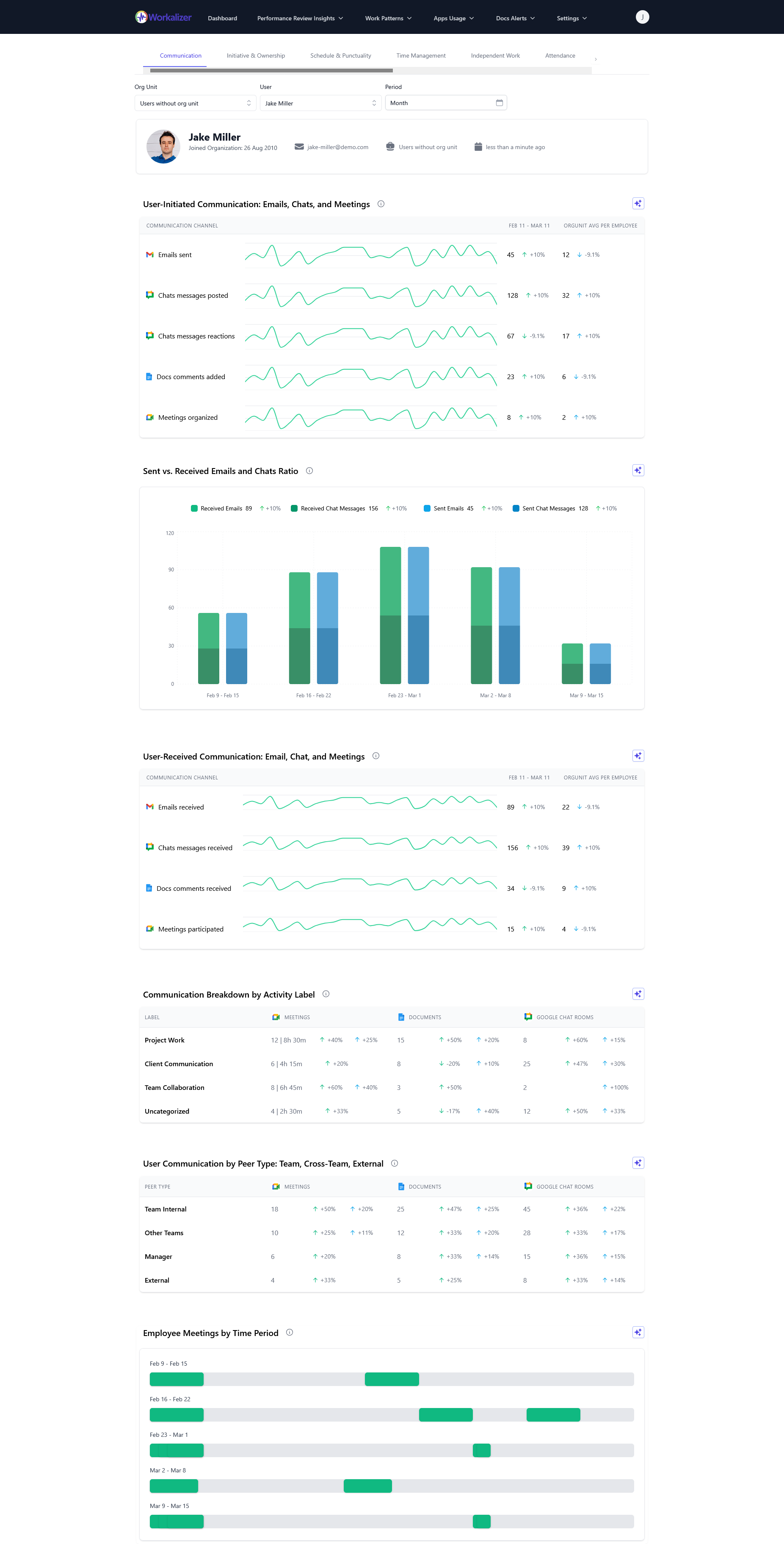
One area where AI is already making a significant impact is in data analysis. Platforms like Workalizer are leveraging AI to provide performance review insights based on company usage of Google Workspace. By analyzing signals from Gmail, Drive, Chat, Gemini, and Meet, we can provide data-driven, unbiased productivity analytics, helping businesses identify bottlenecks, optimize workflows, and improve employee performance. For example, AI can help users quickly understand google docs how to share with group, ensuring seamless collaboration.
The Security Imperative: Protecting Data in the Age of AI
As AI becomes more deeply integrated into our workflows, the need for robust security measures becomes paramount. The increased reliance on AI-powered tools also raises critical questions about data privacy and security. Organizations must prioritize data protection and ensure that their AI systems are not vulnerable to cyberattacks or data breaches.
Consider the implications of AI's ability to access and process sensitive information. While AI can streamline tasks such as accessing shared files on Google Drive, it also creates new opportunities for malicious actors to exploit vulnerabilities. Companies must implement robust security protocols and continuously monitor their AI systems for suspicious activity.
The Ethical Minefield: Navigating the Moral Implications of AI
The rapid advancement of AI also raises profound ethical questions. As AI systems become more sophisticated, it's crucial to consider the potential consequences of their decisions. Who is responsible when an AI makes a mistake? How do we ensure that AI systems are fair and unbiased? These are complex questions that require careful consideration.
The recent standoff between Anthropic and the Pentagon, as reported by The Next Web in Opinion: Red lines and Red flags, highlights the ethical dilemmas surrounding the use of AI in military applications. Anthropic's decision to impose restrictions on the use of its AI model, Claude, in fully autonomous lethal weapons or domestic surveillance underscores the importance of ethical considerations in AI development. This is a critical debate that will shape the future of AI governance and the limits, if any, that private developers can place on how governments use powerful models.
The European Paradox: Funding Deep Tech for Long-Term Competitiveness
While the OpenAI funding round is undoubtedly a significant development, it also highlights a broader trend: the concentration of AI investment in a few key players. In Europe, there's a growing concern about the lack of funding for deep-tech startups, those grounded in advanced materials, semiconductors, life sciences, energy systems, and other research-intensive domains.
As noted in The Next Web article Europe’s Deep-Tech Paradox, Europe doesn't suffer from a shortage of capital. What it lacks is the legal courage and analytical competence required to direct that capital toward the areas where it can create the greatest long-term value. This structural imbalance threatens Europe's long-term competitiveness and its ability to compete with the United States and China in the AI race.
The Future of Work: Embracing AI Responsibly
The $110 billion AI investment tsunami is a wake-up call for businesses of all sizes. The future of work is inextricably linked to AI, and organizations that fail to embrace this reality risk being left behind. However, embracing AI responsibly requires a strategic approach that considers the ethical, security, and societal implications of this powerful technology.
Here are some key takeaways for HR leaders, engineering managers, and C-suite executives:
- Invest in AI training and education: Equip your employees with the skills they need to leverage AI effectively.
- Prioritize data security and privacy: Implement robust security protocols to protect sensitive information.
- Address ethical considerations proactively: Develop guidelines for the responsible use of AI in your organization.
- Support deep-tech innovation: Advocate for policies that encourage investment in research-intensive AI startups.
By taking these steps, businesses can harness the power of AI to drive productivity, innovation, and growth while mitigating the risks and ensuring a more equitable and sustainable future for all. And as you navigate these changes, remember to check out our post on Stop Gemini Voice Input Cut-Offs: Boost Your Productivity with These Tips, to ensure you're maximizing efficiency with the latest AI tools.