Is AI Killing UK Jobs? The Productivity Paradox of 2026
The AI Paradox: Productivity Up, Jobs Down in the UK?
Here's a provocative question for HR leaders, engineering managers, and C-suite executives: Is the relentless pursuit of AI-driven productivity actually costing us jobs, especially in the UK? New research paints a concerning picture – one where British companies are reporting productivity gains thanks to AI, yet simultaneously experiencing net job losses.
According to a recent Morgan Stanley study, British businesses reported an average 11.5% increase in productivity because of AI adoption. Sounds fantastic, right? But here's the kicker: the UK is losing more jobs than it's creating due to artificial intelligence, experiencing an 8% net job loss – the highest among leading economies like the US, Japan, Germany, and Australia. The Guardian reported on this disparity, highlighting the stark contrast between productivity gains and employment figures.
This raises a critical question: are we sacrificing jobs at the altar of efficiency? And if so, what are the long-term implications for the UK economy and its workforce?
The Fear Factor: A Quarter of Britons Worry About AI Job Displacement
The anxieties surrounding AI are not unfounded. A separate survey revealed that more than a quarter (27%) of UK workers fear their jobs could disappear in the next five years due to AI. This fear is fueled by the increasing use of AI and automation in businesses, particularly in replacing 'low-complexity, transactional roles'. This data underscores a growing sense of unease among the workforce, particularly those in roles susceptible to automation.
It's worth noting that 66% of UK employers reported investing in AI in the past 12 months. This rapid adoption, while aimed at boosting efficiency and competitiveness, may inadvertently be accelerating job displacement.
The Double-Edged Sword of AI Adoption
The situation presents a complex paradox. On one hand, AI offers the potential for significant productivity gains, enabling businesses to achieve more with fewer resources. On the other hand, this increased efficiency may come at the cost of jobs, exacerbating existing inequalities and creating new challenges for the workforce.
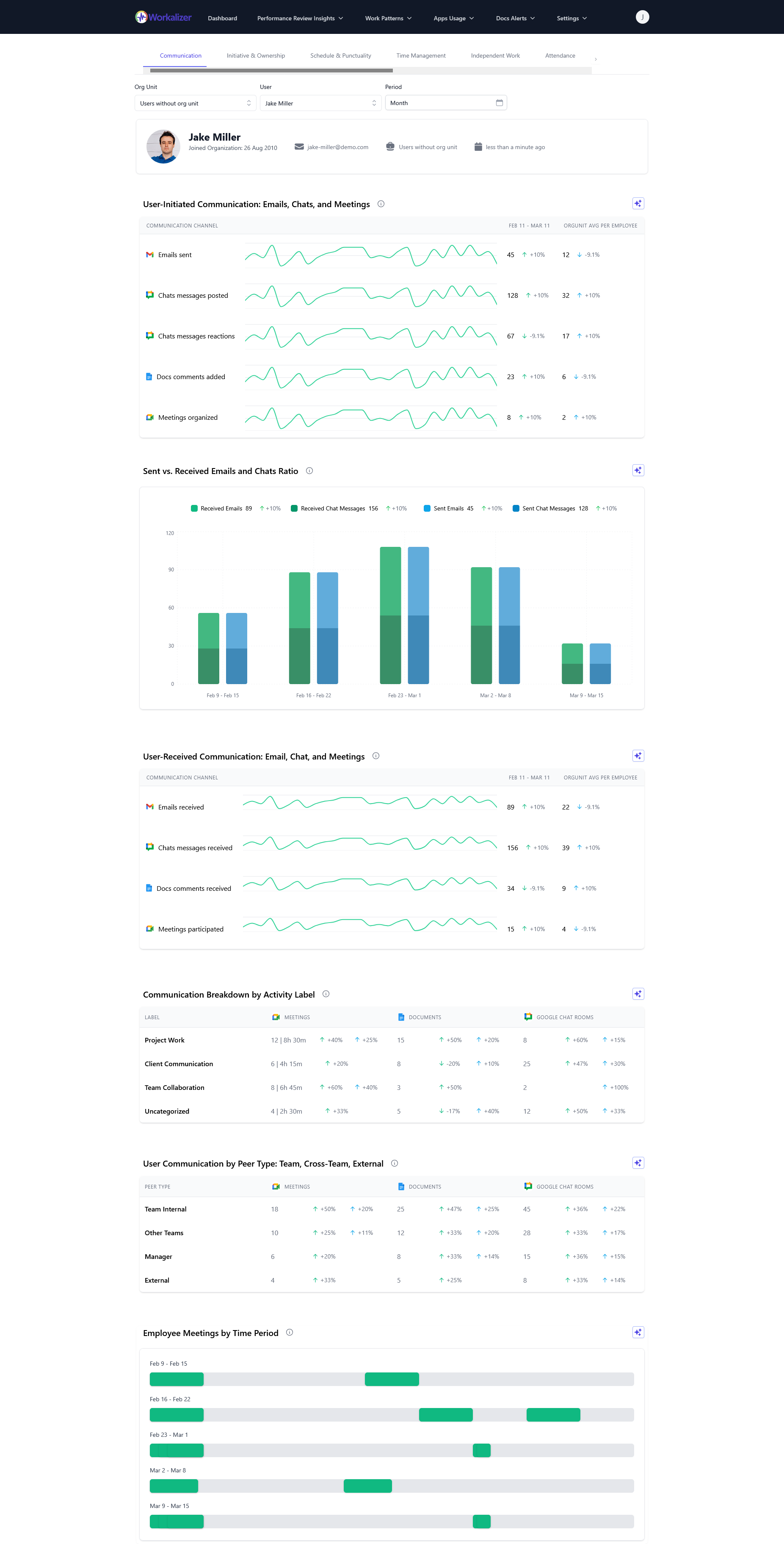
Consider the implications for performance reviews. As AI takes over more routine tasks, how do we accurately assess employee performance? Are traditional metrics still relevant in an AI-augmented workplace? This is where AI-driven productivity analysis becomes crucial. Tools like Workalizer can provide data-driven, unbiased insights into how employees are utilizing Google Workspace, helping identify areas for improvement and ensure that performance reviews are fair and objective. Learn Are Performance Reviews Dead? The Rise of AI-Driven Productivity Analysis.
Beyond the UK: A Global Perspective
While the UK appears to be disproportionately affected, the challenges posed by AI-driven job displacement are not unique to Britain. Across the globe, businesses are grappling with the implications of automation and the need to reskill and upskill their workforces. However, the UK's higher rate of net job losses suggests that specific factors may be at play, such as the structure of the UK economy or the pace of AI adoption in certain sectors.
It's important to consider the ethical implications as well. The EU recently launched an inquiry into X over sexually explicit images made by Grok AI, highlighting the potential for misuse and the need for robust regulatory frameworks. This investigation underscores the importance of responsible AI development and deployment.
Navigating the AI Transition: A Call to Action
So, what can be done to mitigate the negative impacts of AI on employment? Here are a few key considerations:
- Investment in Reskilling and Upskilling: Equipping workers with the skills they need to thrive in an AI-driven economy is crucial. This includes training in areas such as data analysis, AI development, and human-machine collaboration.
- Rethinking Education: Educational institutions need to adapt their curricula to prepare students for the jobs of the future. This may involve incorporating AI and automation into existing courses, as well as developing new programs that focus on emerging technologies.
- Government Policies: Governments can play a role in supporting workers through the AI transition by providing unemployment benefits, job training programs, and incentives for businesses to invest in reskilling.
- Responsible AI Development: Ensuring that AI is developed and deployed in a responsible and ethical manner is essential. This includes addressing issues such as bias, transparency, and accountability.
The Future of Work: A Collaborative Approach
The rise of AI presents both challenges and opportunities. By embracing a collaborative approach that involves businesses, governments, and educational institutions, we can harness the power of AI to create a more prosperous and equitable future for all. It is also important to secure your Google Workspace audio in 2026, as discussed in Stop App Leaks: How to Secure Your Google Workspace Audio in 2026.
The UK's situation serves as a cautionary tale. While AI offers the potential for significant productivity gains, it's crucial to address the potential for job displacement and ensure that the benefits of AI are shared broadly. As we continue to integrate AI into our workplaces, we must prioritize the needs of workers and create a future where technology empowers, rather than replaces, human talent. Sharing a google drive file without login, and considering AI avatars, are among the many rapidly shifting trends.