Stop App Leaks: How to Secure Your Google Workspace Audio in 2026
The Silent Threat: Why Your Google Workspace Audio Might Not Be Secure
We're living in an age of unprecedented connectivity, where collaboration tools like Google Workspace are the lifeblood of modern business. But with increased connectivity comes increased risk. Are you absolutely certain your sensitive audio data isn't vulnerable to leaks? In 2026, the threat is no longer theoretical. A recent bug in the Pixel Phone app, specifically the 'Take a Message' feature, highlights the very real possibility of unintended audio exposure. According to 9to5Google, a small number of users experienced an issue where background audio was inadvertently sent to callers while the 'Take a Message' feature was active. This means callers could potentially hear conversations and other sounds happening around the phone owner, even if the call wasn't answered. This incident should serve as a wake-up call for every HR Leader, Engineering Manager, and C-Suite Executive who relies on Google Workspace for communication and collaboration. It's time to proactively assess and mitigate the risks to your organization's audio security.
Google Workspace security vulnerabilities
Understanding the Vulnerabilities: Where Are the Weak Points?
The Pixel Phone app bug is just one example of potential vulnerabilities. The reality is that any application with audio recording or transmission capabilities can be a point of entry for security breaches. Here's a breakdown of common weak points within the Google Workspace ecosystem:
1. App Permissions and Access Control
Are you meticulously reviewing the permissions granted to third-party apps integrating with your Google Workspace? Many apps request access to microphone, contacts, and other sensitive data. Lax oversight can lead to unauthorized data collection and potential leaks. For example, a seemingly innocuous productivity app might be surreptitiously recording audio in the background. Implementing a strict app vetting process is crucial. This should include a thorough security audit and ongoing monitoring of app behavior.
2. User Error and Negligence
Sometimes, the biggest security threat is internal. Employees might inadvertently share files through google drive with overly permissive settings, exposing sensitive audio recordings to unintended recipients. Training your workforce on proper data handling procedures is paramount. This includes clear guidelines on file sharing, permission settings, and the risks associated with using unauthorized apps or devices.
3. Outdated Software and Security Patches
Failing to keep your software and security patches up-to-date leaves you vulnerable to known exploits. The Pixel Phone app bug, for instance, could have been prevented or mitigated with timely software updates. Establish a rigorous patch management process to ensure all devices and applications are running the latest security versions. This includes not just Google Workspace apps but also operating systems, browsers, and any other software used to access sensitive data. A recent post, Are Performance Reviews Dead? The Rise of AI-Driven Productivity Analysis, touched on the importance of using the latest AI tools, but the same logic applies to security software – staying up-to-date is critical.
4. Unsecured Devices and Networks
Employees accessing Google Workspace from unsecured devices or public Wi-Fi networks are putting your data at risk. These networks are often vulnerable to eavesdropping and man-in-the-middle attacks. Enforce strict device security policies, including password protection, encryption, and remote wipe capabilities. Encourage employees to use VPNs when accessing Google Workspace from public networks.
Taking Action: A Proactive Approach to Audio Security
Securing your Google Workspace audio requires a multi-faceted approach that encompasses technology, policy, and training. Here are some concrete steps you can take to protect your organization:
1. Implement a Robust App Vetting Process
Before allowing any third-party app to integrate with your Google Workspace, conduct a thorough security assessment. This should include reviewing the app's permissions, privacy policy, and security certifications. Use tools like Google Workspace Marketplace's app review process to identify potential risks. Consider implementing a sandbox environment to test apps before deploying them to your entire organization.
2. Enforce Strict Access Control Policies
Implement the principle of least privilege, granting users only the minimum level of access required to perform their job duties. Regularly review and update access permissions to reflect changes in roles and responsibilities. Use Google Workspace's built-in access control features to restrict access to sensitive audio recordings and other confidential data.
Security threat distribution
3. Provide Comprehensive Security Awareness Training
Educate your employees about the risks of data breaches and the importance of following security best practices. This training should cover topics such as password security, phishing awareness, file sharing protocols, and the proper use of company devices and networks. Conduct regular refresher courses to reinforce these concepts and keep employees up-to-date on the latest threats. Another relevant article is Unlock Excel Efficiency: Ditch Ctrl+V for Seamless Spreadsheets, which highlights how even seemingly minor workflow changes can significantly improve efficiency and security.
4. Monitor and Audit Audio Activity
Implement tools and processes to monitor and audit audio activity within your Google Workspace environment. This includes tracking who is accessing audio recordings, when they are being accessed, and what actions are being taken. Use Google Workspace's audit logs to identify suspicious activity and investigate potential security breaches. Consider using third-party security information and event management (SIEM) systems to correlate audio activity with other security events.
5. Leverage AI-Powered Productivity Analysis
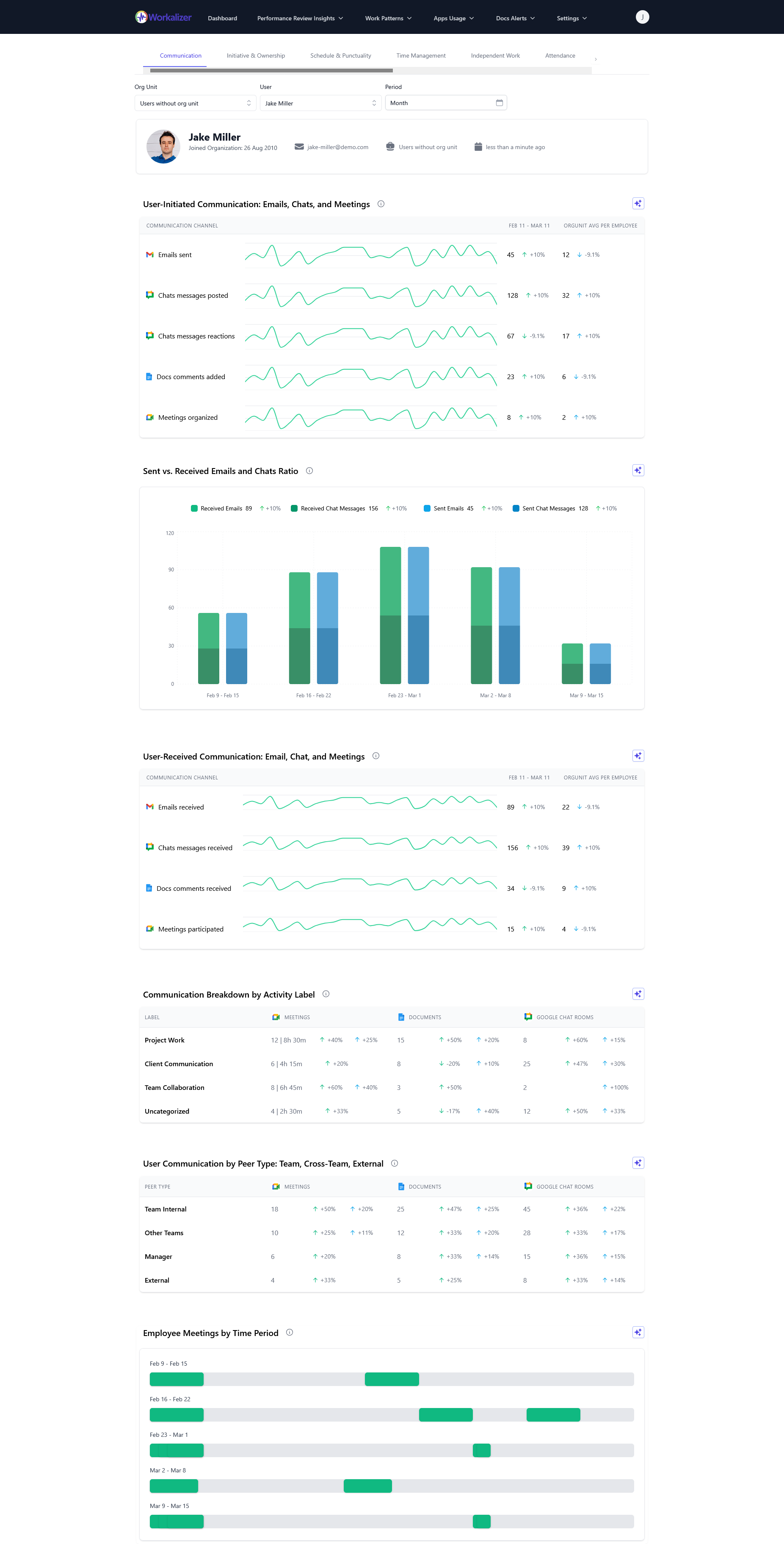
Platforms like Workalizer provide valuable insights into how your team is using Google Workspace. By analyzing data from Gmail, Drive, Chat, Gemini, and Meet, Workalizer can help you identify potential security risks and optimize productivity. The platform's unbiased productivity analytics can reveal patterns of behavior that might indicate unauthorized access or data exfiltration. For example, Workalizer can flag instances where employees are share files on drive google outside the company domain, or when sensitive audio recordings are being accessed from unusual locations.
The Cost of Inaction: Don't Wait for a Breach
The consequences of a data breach can be devastating, both financially and reputationally. According to IBM's 2025 Cost of a Data Breach Report, the average cost of a data breach is $4.62 million. This figure includes not only direct costs such as incident response, legal fees, and regulatory fines but also indirect costs such as lost business, customer churn, and damage to brand reputation. Investing in proactive audio security measures is a smart business decision that can save you millions of dollars and protect your organization's most valuable assets.
Real-time audio activity monitoring
Future-Proofing Your Audio Security: Staying Ahead of the Curve
As technology evolves, so too will the threats to your audio security. It's essential to stay ahead of the curve by continuously monitoring the threat landscape and adapting your security measures accordingly. This includes:
* Staying informed about emerging threats and vulnerabilities.
* Regularly reviewing and updating your security policies and procedures.
* Investing in new security technologies and tools.
* Conducting regular security audits and penetration tests.
By taking a proactive and comprehensive approach to audio security, you can protect your organization from the growing threat of data breaches and ensure the confidentiality of your sensitive information.
Securing your Google Workspace audio is not just a technical challenge; it's a business imperative. By understanding the vulnerabilities, taking proactive steps, and continuously monitoring your security posture, you can protect your organization from the devastating consequences of a data breach. Don't wait for a breach to happen. Start securing your audio today.