Unlock Peak Team Performance: How AI-Driven Analytics Boost Productivity in 2026
The Performance Review Revolution: Data Speaks Louder Than Opinion
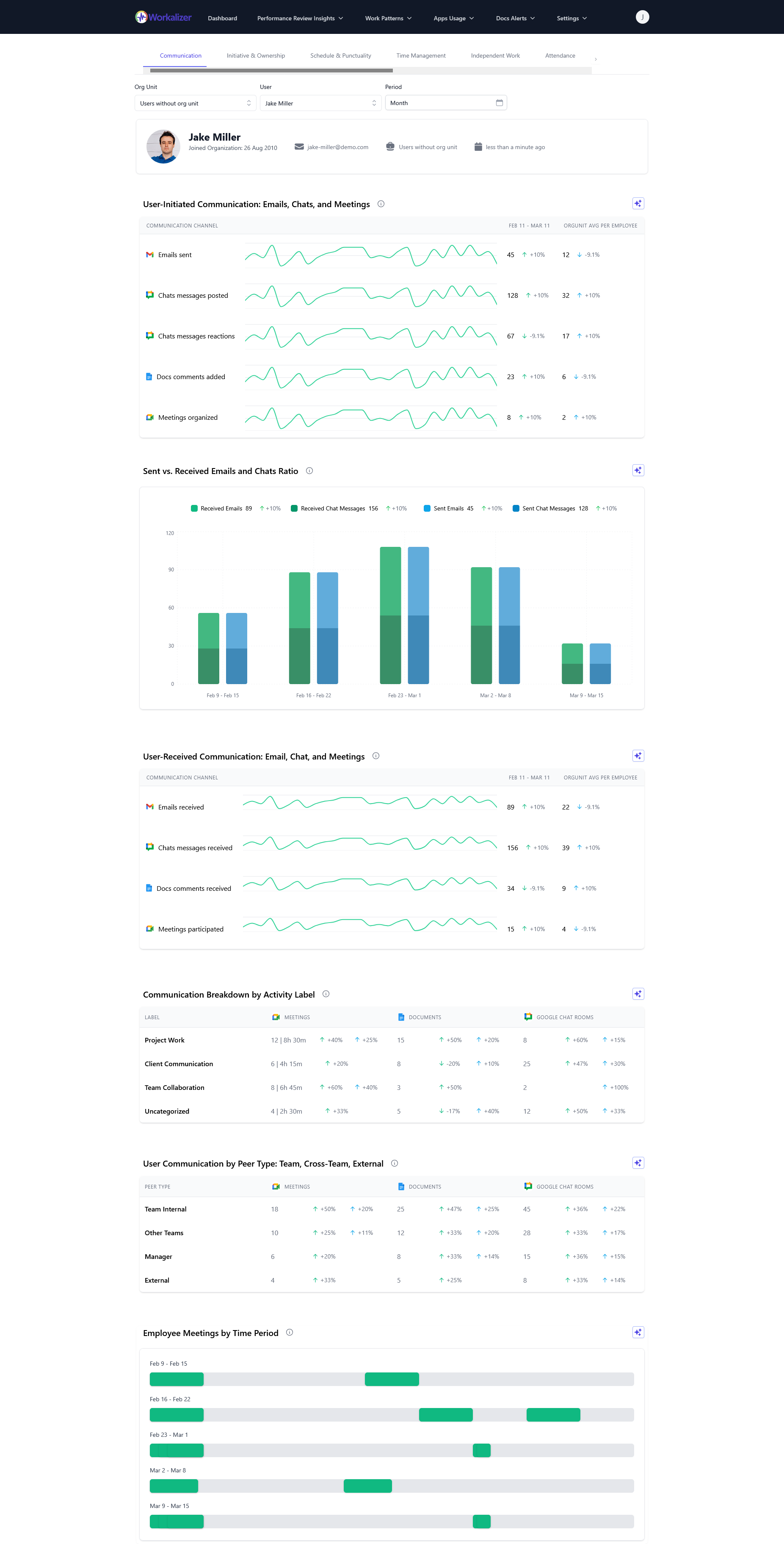
Let's face it: traditional performance reviews often feel subjective, biased, and, frankly, a waste of time. In 2026, the game has changed. We're moving beyond gut feelings and embracing data-driven insights to unlock peak team performance. Imagine a world where performance reviews are based on concrete usage of tools like Gmail, Drive, Chat, and Meet – a world where productivity bottlenecks are identified with laser precision. That's the power of AI-driven productivity analysis, and it's here to stay.
The old way of doing things is simply not cutting it. According to a Gallup study, companies that implement data-driven engagement strategies see a staggering 65% reduction in absenteeism and a 21% increase in profitability. That's not just a marginal improvement; it's a complete transformation. It's time to stop relying on outdated methods and embrace the future of performance management.
At Workalizer, we're at the forefront of this revolution. Our platform analyzes your team's Google Workspace activity to provide unbiased, data-backed productivity analytics. We help you identify areas for improvement, recognize top performers, and foster a culture of continuous growth. This year, leading companies are shifting their HR strategies to leverage AI, and Workalizer is the tool that allows them to do that effectively. For example, securely share doc google to ensure team collaboration.
Understanding the Power of HR Analytics
HR analytics is more than just collecting data; it's about transforming that data into actionable insights. It involves gathering, organizing, and evaluating workforce data to enhance employee engagement, boost productivity, and improve overall organizational performance. By leveraging HR analytics, companies can make strategic decisions that lead to high-performing teams.
Think about it: are your employees spending too much time in unproductive meetings? Is there a disconnect between communication styles that is leading to confusion? Are employees not effectively using Google Drive to collaborate on documents? HR analytics can answer these questions and more, providing a clear picture of your organization's strengths and weaknesses.
Key Metrics to Watch
Several key HR analytics metrics can provide valuable insights into team performance:
- Employee Engagement: Measure employee satisfaction and motivation levels.
- Absenteeism: Track employee absences to identify potential issues with morale or workload.
- Turnover Rate: Monitor the rate at which employees are leaving the company.
- Productivity Metrics: Analyze how efficiently employees are using their time and resources.
By tracking these metrics, HR leaders can identify trends, predict potential problems, and take proactive steps to improve team performance.
Boosting Productivity with AI: A Practical Guide
So, how can you leverage AI-driven analytics to boost productivity in your organization? Here are a few practical steps:
- Implement a platform like Workalizer: Our platform integrates seamlessly with Google Workspace, providing real-time insights into your team's productivity.
- Identify key performance indicators (KPIs): Determine the metrics that are most important to your organization's success.
- Analyze the data: Use the insights from Workalizer to identify areas for improvement.
- Take action: Implement changes based on the data, such as providing additional training or adjusting workflows.
- Monitor progress: Track the impact of your changes and make adjustments as needed.
Remember, the goal is not just to collect data but to use it to drive meaningful change. By taking a data-driven approach to performance management, you can create a culture of continuous improvement and unlock peak team performance. Also, when you gmail file sharing, consider the security implications and ensure appropriate permissions are set.
Employee Retention: The Key to Long-Term Success
While boosting productivity is essential, it's also crucial to focus on employee retention. According to the Bureau of Labor Statistics, nearly half of employees have second thoughts about their job within the first week. That's a staggering statistic, and it highlights the importance of creating a positive employee experience.
Happy employees are more productive employees, and they're also more likely to stay with your company. By investing in employee retention strategies, you can reduce turnover, maintain valuable skills and knowledge within the company, and create a more stable and productive work environment. To delve deeper into this, check out our recent post on Are Performance Reviews Dead? The Rise of AI-Driven Productivity Analysis.
Strategies for Improving Employee Retention
- Offer competitive compensation and benefits: Ensure that your employees are fairly compensated for their work.
- Provide opportunities for growth and development: Invest in training and development programs to help your employees grow their skills and advance their careers.
- Create a positive work environment: Foster a culture of collaboration, respect, and open communication.
- Recognize and reward employee contributions: Show your employees that their work is valued and appreciated.
- Solicit and act on employee feedback: Regularly ask for employee feedback and take steps to address their concerns.
The Future of HR: Adaptability and Skills-Based Hiring
The HR landscape is constantly evolving, and in 2026, adaptability and skills-based hiring are more important than ever. As technology continues to advance, companies need to be agile and able to adapt quickly to changing market conditions. This means focusing on skills-based hiring and reskilling, rather than relying solely on traditional qualifications.
By prioritizing skills, companies can tap into a wider pool of talent and ensure that their employees have the skills they need to succeed. This also requires a shift in mindset, from viewing HR as an administrative function to seeing it as a strategic partner that drives business growth. Furthermore, securing audio in Google Workspace is important, as we previously discussed in Stop App Leaks: How to Secure Your Google Workspace Audio in 2026.
Conclusion: Embracing the Data-Driven Revolution
The future of performance management is here, and it's driven by data. By leveraging AI-driven analytics, companies can unlock peak team performance, improve employee retention, and create a more agile and adaptable workforce. It's time to embrace the data-driven revolution and transform your organization into a high-performing powerhouse.
Don't get left behind. Start leveraging the power of AI-driven productivity analysis today and see the transformative impact it can have on your organization.