The Evolving Landscape of Productivity Apps: What's Next in 2026?
The Future of Productivity Apps: What to Expect in 2026
The year is 2026. The digital workspace has transformed. Forget clunky interfaces and disconnected tools. We're now in an era where productivity apps are intelligent, secure, and seamlessly integrated into our daily workflows. But what exactly does this future look like, and how can businesses prepare? Let's dive in.
The AI Revolution in Productivity
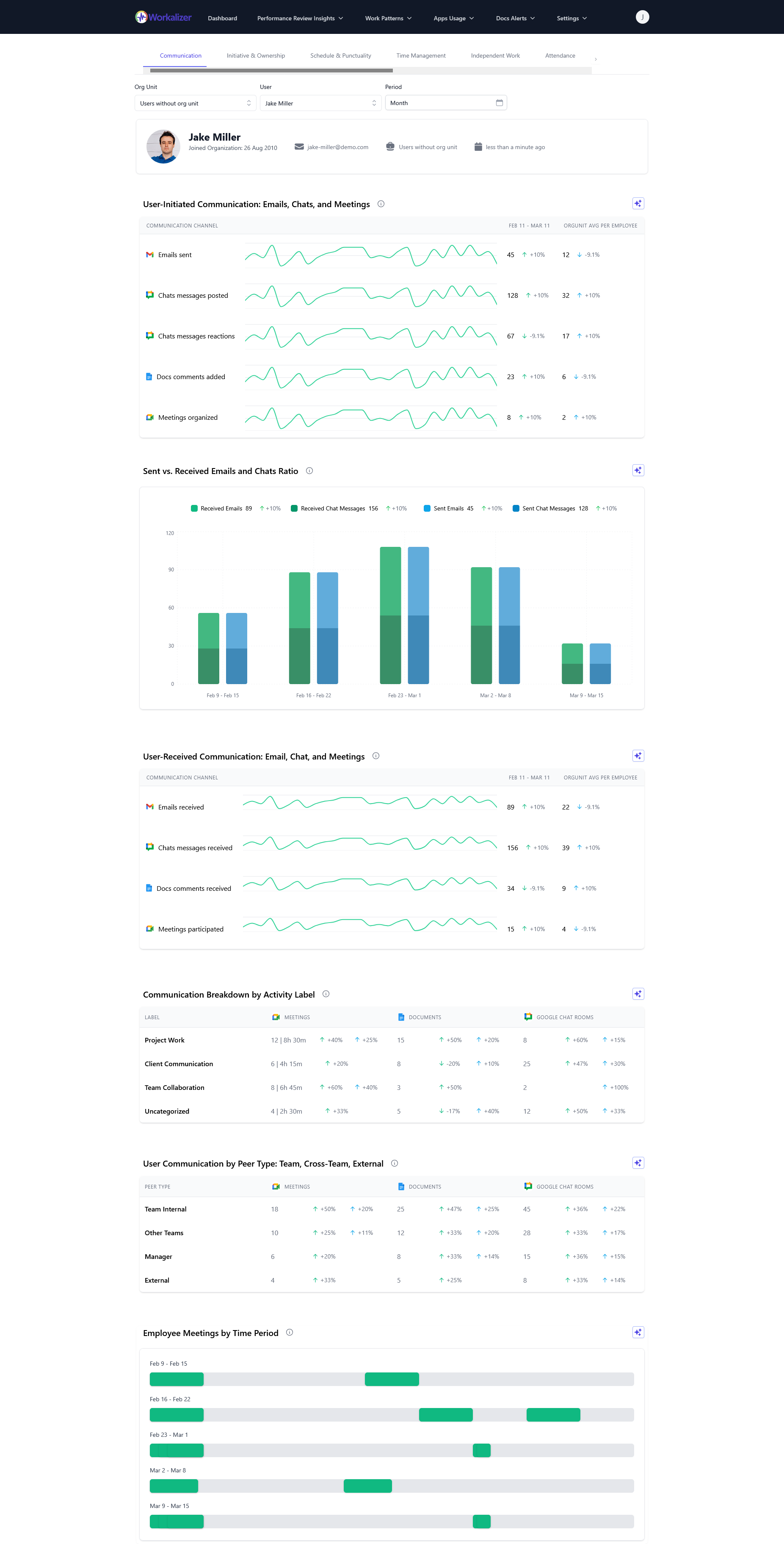
Artificial intelligence is no longer a buzzword; it's the engine driving the next generation of productivity apps. AI-powered features are automating mundane tasks, providing personalized insights, and enhancing collaboration in ways previously unimaginable. Think about how much time is wasted each week on tasks like scheduling meetings, summarizing documents, or searching for information. AI is rapidly taking over these responsibilities. Tools like Workalizer are already providing performance review insights based on AI analysis of Google Workspace usage, offering data-driven, unbiased productivity analytics.
For example, imagine an AI assistant that not only schedules meetings but also analyzes participant calendars to find the optimal time, prepares an agenda based on recent communications, and even generates a post-meeting summary with action items. This level of integration and automation is becoming the norm, freeing up employees to focus on higher-value, strategic work. As Unlock Productivity: How Google's AI Innovations are Reshaping Work in 2026 discusses, the advancements in AI are fundamentally changing how we interact with our work environment.
End-to-end encryption securing data.
Enhanced Security and Privacy
As productivity apps become more integrated into our lives, the need for robust security and privacy measures grows exponentially. Data breaches and privacy violations are no longer just IT concerns; they're business-critical risks that can damage reputation and erode trust. In 2026, users are demanding greater control over their data and transparency in how it's used. For example, with increased phishing attacks, knowing gmail how to report phishing attempts is more critical than ever. Applications are responding with end-to-end encryption, advanced access controls, and built-in compliance features.
Proton, known for its privacy-focused email service, now offers a suite of productivity tools, including Proton Sheets, a Google Sheets clone with end-to-end encryption. According to How-To Geek, this allows businesses and individuals to protect their entire workspace, from email to spreadsheets, with end-to-end encrypted tools. This trend towards enhanced security is not limited to niche providers; major players like Google and Microsoft are also investing heavily in security features to meet the growing demands of their users.
Seamless Collaboration and Interoperability
The modern workforce is increasingly distributed and collaborative. Productivity apps must facilitate seamless communication and collaboration across teams, departments, and even organizations. This means breaking down silos and enabling interoperability between different platforms and devices. The ability to google drive how to access shared files is a fundamental requirement, but the future goes far beyond simple file sharing.
We're seeing the rise of collaborative workspaces that integrate communication, project management, and content creation tools into a single, unified environment. These platforms leverage AI to surface relevant information, suggest connections between team members, and automate workflows. For instance, imagine a project management tool that automatically assigns tasks based on individual skills and availability, tracks progress in real-time, and provides proactive alerts when deadlines are at risk. This level of intelligent collaboration is transforming how teams work together and driving significant gains in productivity.
Seamless collaboration in a unified workspace.
The Rise of Mobile Productivity
In 2026, the line between work and personal life is increasingly blurred. Employees expect to be able to access their work from anywhere, at any time, on any device. This has fueled the rise of mobile productivity apps that are optimized for on-the-go use. Smartphones and tablets are no longer just communication devices; they're powerful tools for creating, editing, and sharing content. Features like the ability to copy and paste text between your Android phone and laptop, as described by Android Police, are becoming essential for seamless mobile productivity.
Furthermore, advancements in mobile device capabilities, such as the Samsung Galaxy S25's one-tap app strategy highlighted in another Android Police article, are empowering users to accomplish more on their mobile devices than ever before. The key is to provide a consistent and intuitive user experience across all devices, ensuring that employees can stay productive regardless of their location or device.
Mobile productivity on the go.
The Impact on Organizational Efficiency
The evolution of productivity apps has profound implications for organizational efficiency. By automating tasks, enhancing collaboration, and improving access to information, these tools are enabling businesses to operate more effectively and efficiently. Workalizer's AI-powered platform is a prime example, providing insights into Google Workspace usage to optimize performance and maximize ROI. As Is Efficiency Dead? Why Effectiveness Is the Only Metric That Matters in 2026 argues, the focus is shifting from simply doing things faster to doing the *right* things.
However, it's important to recognize that technology alone is not a silver bullet. To fully realize the benefits of productivity apps, organizations must invest in training, change management, and a culture of continuous improvement. The most successful companies are those that embrace technology as a strategic enabler and empower their employees to use it effectively.
Looking Ahead
The future of productivity apps is bright. As AI, security, and collaboration technologies continue to evolve, we can expect even more innovative and powerful tools to emerge. The key for businesses is to stay informed, experiment with new technologies, and adapt their strategies to meet the changing needs of their workforce. By embracing the future of productivity, organizations can unlock new levels of efficiency, innovation, and success.