Deleted Google Workspace? Why Your Domain Isn't Instantly Reusable (and How to Fix It)
Navigating Your Google Dashboard: Why a Deleted Workspace Domain Isn't Instantly Reusable
It's a scenario that often catches Google Workspace users off guard: you've decided to move on from an existing Google Workspace setup, perhaps due to plan limitations or a change in business needs, and you delete your account. The expectation is simple – the domain should be free to use immediately for a new, fresh Workspace. However, as one user discovered in a recent Google support forum thread, this isn't always the case. Deleting a Google Workspace domain doesn't necessarily mean it's instantly released back into the wild for a new registration.
This common frustration often stems from a combination of Google's system architecture and the specifics of certain Workspace plans. Understanding these underlying mechanisms is key to resolving the issue and getting your domain back in action for a new Google Workspace setup.
The Essentials Plan Conundrum
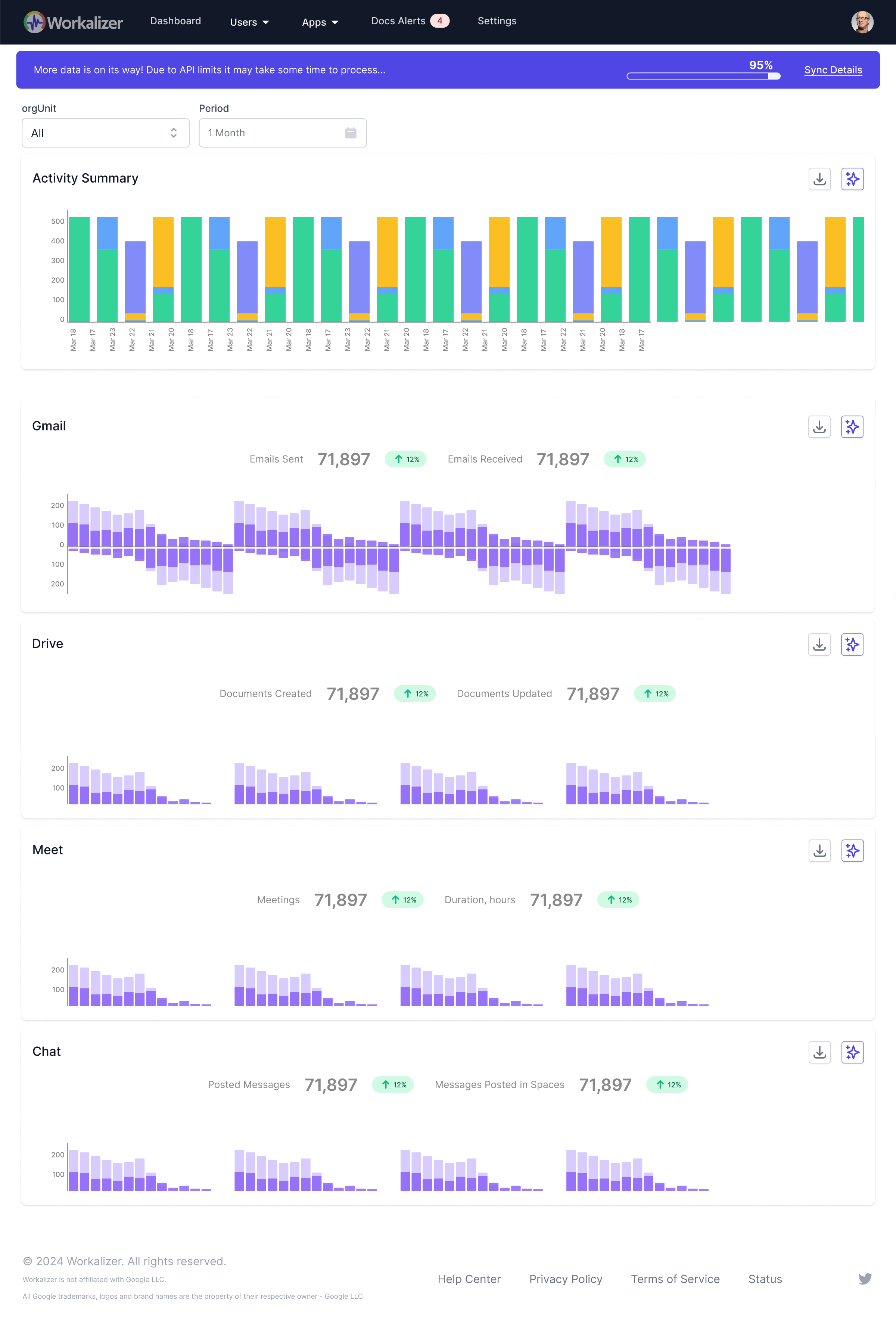
The original poster's journey began with a Google Workspace Essentials plan. This particular edition is designed to complement an existing email provider (like Outlook), rather than replace it. Consequently, it doesn't include Gmail. The Essentials plan is fantastic for teams primarily focused on collaboration, offering tools like Google Drive for seamless google drive file creation and sharing, Google Meet for video conferencing, and Google Docs, Sheets, and Slides for productivity. For many, Google Drive is the central 'dash' for their digital assets, providing a robust platform for file management without requiring a change in their existing email infrastructure.
However, when the user attempted to upgrade from Essentials to a plan that did include Gmail, they hit a roadblock. The system can sometimes "get stuck" when trying to transition from an Essentials edition, which fundamentally doesn't manage email, to a full Business version that does. This initial choice of plan is crucial, as the system's configuration for Essentials is distinct. This often leads users to believe that deleting the account is the quickest path to a fresh start with Gmail, only to find their domain still tied up.
Why Your Domain Isn't Instantly Free After Deletion
Even after you've hit the "delete" button on your Google Workspace account, Google doesn't immediately release the associated domain back into the "available" pool. There are two primary reasons why you might encounter the dreaded "This domain is already in use" error when trying to create a new Workspace:
The Purge Period
When a Google Workspace identity is deleted, there's a mandatory "purge period." This is a crucial step for Google to fully scrub the domain from its databases and ensure data integrity. During this time, the domain is effectively in limbo, preventing its immediate reuse. This process can take up to 24 hours, and in more complex cases (e.g., accounts with extensive data or services), it might extend up to 7 days. This waiting period helps prevent accidental re-registrations and ensures all associated services are properly disconnected before the domain is marked as truly available. When you delete a Google Workspace account, you're essentially telling the google dashboard google account system that you no longer want its services linked to that domain, but the system needs time to fully process that request across all its global servers.
DNS & Cloud Identity Conflicts
Beyond the purge period, another common culprit is lingering DNS (Domain Name System) or Cloud Identity associations. If you bought your domain through Google during your first sign-up, or if you heavily integrated your domain's DNS records with Google services, the domain might still be linked to a "dormant" Cloud Identity account. Cloud Identity is Google's underlying service that manages user identities and domain ownership across various Google products, not just Workspace. Even if your Workspace account is deleted, the Cloud Identity record for your domain might persist for a short period, acting as a placeholder.
This means that while the Workspace itself is gone, the google dashboard google account system still recognizes your domain as having a previous relationship with Google. This conflict prevents a new Workspace registration until that underlying Cloud Identity association is fully cleared.
Your Action Plan: Getting Your Domain Back (and a New Workspace)
Since you've already deleted the old account, the best move is a bit of a "wait and see" approach combined with some proactive checks. Here's a step-by-step guide:
1. The Waiting Game: Wait 24–48 Hours (or More)
This is the most common fix. Most "This domain is already in use" errors simply need time to clear the system's cache and complete the purge period. Try the sign-up process again tomorrow, or even the day after. While 24 hours is typical, allowing up to 48 hours provides a safer buffer. If your account was particularly complex, be prepared to wait up to 7 days.
2. Check Your DNS Records
Ensure you still have access to your domain provider (like GoDaddy, Namecheap, Google Domains, etc.). When you start the new Workspace, you'll need to add a new TXT record to prove you still own the domain. It's a good idea to log into your domain registrar's google dashboard google account or control panel now to ensure you have the correct login credentials. While you're there, check if any old Google-related DNS records (like MX records for email, or old TXT verification records) are still present. Removing any outdated records can sometimes help clear lingering associations, though Google's system typically handles this.
3. The Incognito Trick
Sometimes your browser holds onto cookies or cached data from the deleted session, which can interfere with new sign-up attempts. Try signing up for the new account in an Incognito/Private window to ensure you're getting a fresh start, free from any residual browser data.
4. What if it's Still Stuck? Contact Google Workspace Support
If you've waited the appropriate time, checked your DNS, and tried Incognito mode, and you're still encountering the error, it's time to contact Google Workspace Support directly. Be prepared to provide them with:
- The domain name you're trying to register.
- Details of your previous Workspace account (if you remember them).
- The exact error message you're receiving.
- Proof of domain ownership (they might ask you to add a specific TXT record).
They have the tools to investigate the specific status of your domain within Google's systems and can often manually release it or guide you through the next steps.
Proactive Tips for Future Workspace Management
To avoid similar frustrations in the future, consider these points:
- Choose Your Plan Wisely: Before committing, thoroughly understand the features of each Google Workspace plan. If Gmail is a must, ensure you select a plan that explicitly includes it from the start, rather than beginning with Essentials.
- Understand Deletion Consequences: Always be aware that deleting a Google Workspace account is a significant action. It leads to data loss and the temporary unavailability of your domain.
- Backup Your Data: Before initiating any deletion, ensure all your critical data, including important google drive file creation and documents, are backed up. Google Takeout is an excellent tool for this.
Conclusion
While deleting a Google Workspace account might seem like a straightforward path to a fresh start, the nuances of domain management and Google's purge periods can introduce unexpected delays. By understanding the reasons behind these delays – particularly the Essentials plan's unique setup and the necessary system purge – and by following the recommended troubleshooting steps, you can successfully reclaim your domain and embark on your new Google Workspace journey with Gmail in tow. Patience and a systematic approach are your best allies in navigating this common Google Workspace challenge.