Navigating Google Drive: Essential Steps to Recover Missing Files and Check Your Workspace Dashboard
Few things are as frustrating as opening your Google Drive only to find crucial documents or files have vanished. It's a common concern, and thankfully, Google Drive offers several robust methods to help you locate and recover your missing data. This community insight, inspired by a user's plea for help, will guide you through the essential troubleshooting steps.
Start with the Basics: Account Verification and Recent Activity
The first and most crucial step is to ensure you are logged into the correct Google account. Many users have multiple accounts (personal, work, school), and files are often tied to the specific account they were created or uploaded under. Double-check the account icon in the top right corner of your browser.
Once you've confirmed your account, leverage Google Drive's built-in activity logs:
- Check Recent Activity: In Google Drive, look for the "Activity" panel (often on the right sidebar). This shows a chronological list of changes made to your files and folders, which can help you retrace your steps or identify unintended deletions.
Unearthing "Orphaned" Files with Advanced Search
Sometimes, files can become "hidden" or "orphaned" if their parent folder was deleted, but the file itself wasn't. Google Drive provides a powerful search query to find these:
- Search for Unorganized Files: In the Google Drive search bar, type:
This will display files that you own but are no longer located within any specific folder.is:unorganized owner:me - Check the Trash: It might seem obvious, but always check your Trash. Files stay there for 30 days before permanent deletion. You can search within the Trash by typing:
is:trashed
For more advanced search techniques, Google's Community Manager provides an excellent guide on how to use advanced search to find files.
Recovering Deleted Files and Understanding Shared Access
If you suspect a file was deleted, Google Drive has a recovery process:
- Recover from Trash: As mentioned, check your Trash. If found, right-click and select "Restore."
- Google Help Center: For files permanently deleted or not found in Trash, consult the official Recover a deleted file in Google Drive article. Depending on your Google Workspace edition, administrators might have additional recovery options.
If the missing file was shared with you, the situation is different. The original owner might have moved or deleted it, revoking your access. In this case, you'll need to contact the person who shared the file and ask them to restore or re-share it.
When to Contact Google Drive Support
If you've exhausted all self-help options and you are the owner of the missing files, it's time to reach out to Google Drive Support. They have tools and access to help investigate further. You can typically initiate contact through the Google Drive Help Center or by filling out a dedicated support form.
Proactive Management: Your Google Workspace Dashboard
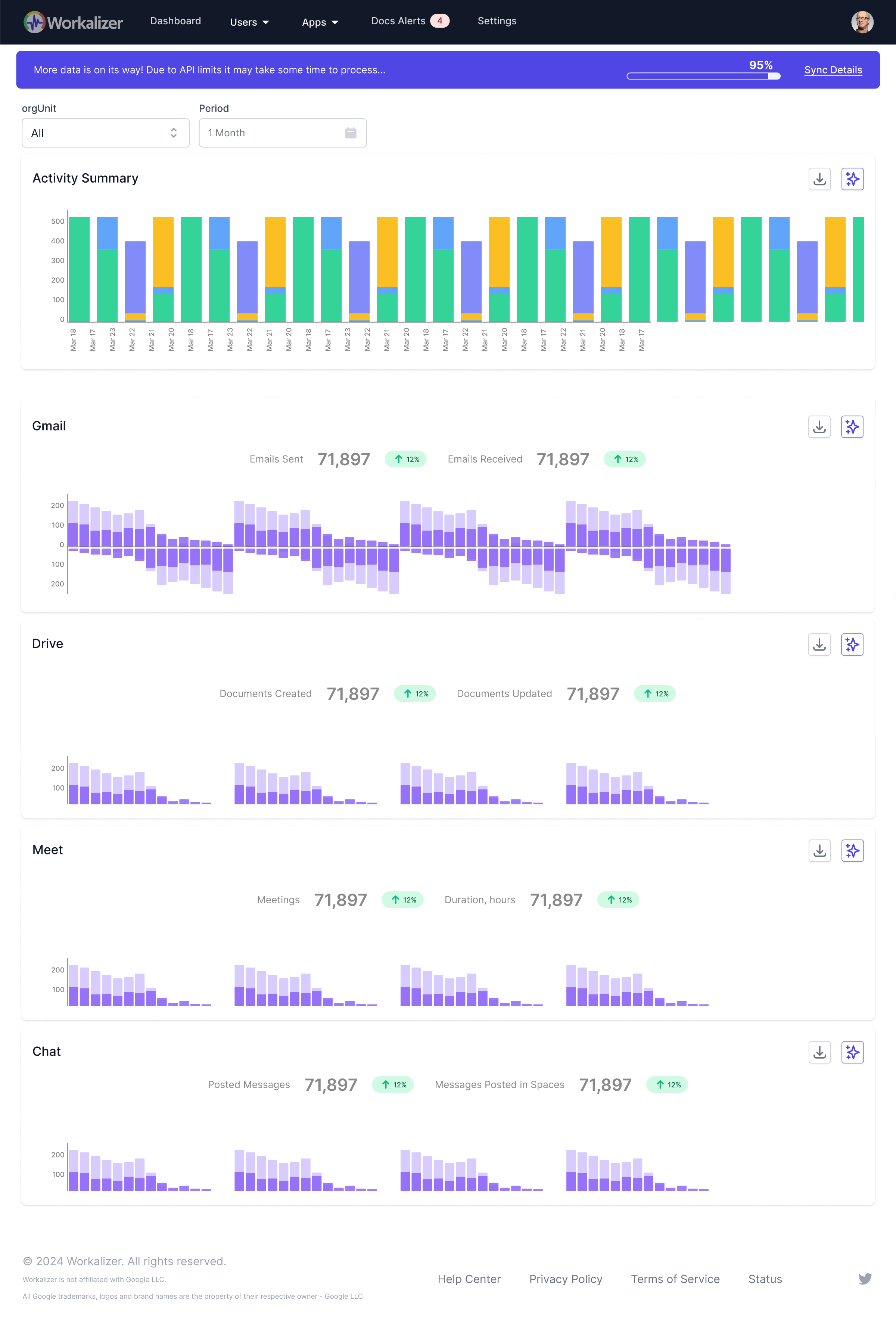
While directly recovering files, it's also worth noting that understanding your overall Google Workspace environment can be beneficial. For administrators or even individual users, regularly checking your gsuites dashboard (now part of the broader Google Workspace Admin console) or reviewing your account activity via the main url https workspace google com dashboard can provide insights into recent changes, storage usage, and security alerts across all your Google services. While it won't directly recover a single missing file, a proactive approach to managing your Google Workspace can help prevent future data surprises and offer a broader view of your digital assets.
Key Takeaways for Data Security:
- Always confirm you're in the correct Google account.
- Utilize Drive's "Activity" panel for recent changes.
- Master advanced search queries like
is:unorganized. - Understand the 30-day trash retention policy.
- For shared files, the owner is key to recovery.
- Don't hesitate to contact Google Drive Support for critical data loss.