Navigating HRBP Overwhelm: Strategies for Workload, Inbox, and Collaborative Success with Data-Driven Insights
The Overwhelmed HRBP: A Common Challenge, Actionable Solutions
The transition to an HR Business Partner (HRBP) role is often seen as a significant career step, promising strategic impact and deeper engagement. However, as many discover, it can also bring an unexpected tidal wave of responsibilities. For a new HRBP in healthcare, managing 300 employees across the entire employee lifecycle – from recruitment and employee relations to compensation and offboarding – alongside a demanding leadership team and a hyper-responsive colleague, the feeling of being constantly overwhelmed is not just common, it's a critical challenge that needs immediate attention.
This insight explores practical strategies to reclaim control, foster effective collaboration, and ensure work-life balance isn't just a myth for HRBPs.
1. Taming the HRBP Beast: Workload & Work-Life Balance
The sheer volume of tasks and inquiries can make an HRBP feel like they're constantly putting out fires. Here’s how to shift from reactive to proactive:
- Strategic Prioritization: Not all tasks are created equal. Implement a prioritization framework like the Eisenhower Matrix (Urgent/Important). Dedicate specific blocks of time for strategic initiatives vs. transactional tasks. Communicate your priorities to leadership, seeking alignment on what truly moves the needle for the business.
- Set Boundaries & Manage Expectations: It’s crucial to establish clear boundaries. This means communicating realistic response times, saying 'no' to non-essential requests, and blocking out focus time on your calendar. An HRBP’s value comes from strategic guidance, not instantaneous responses to every query.
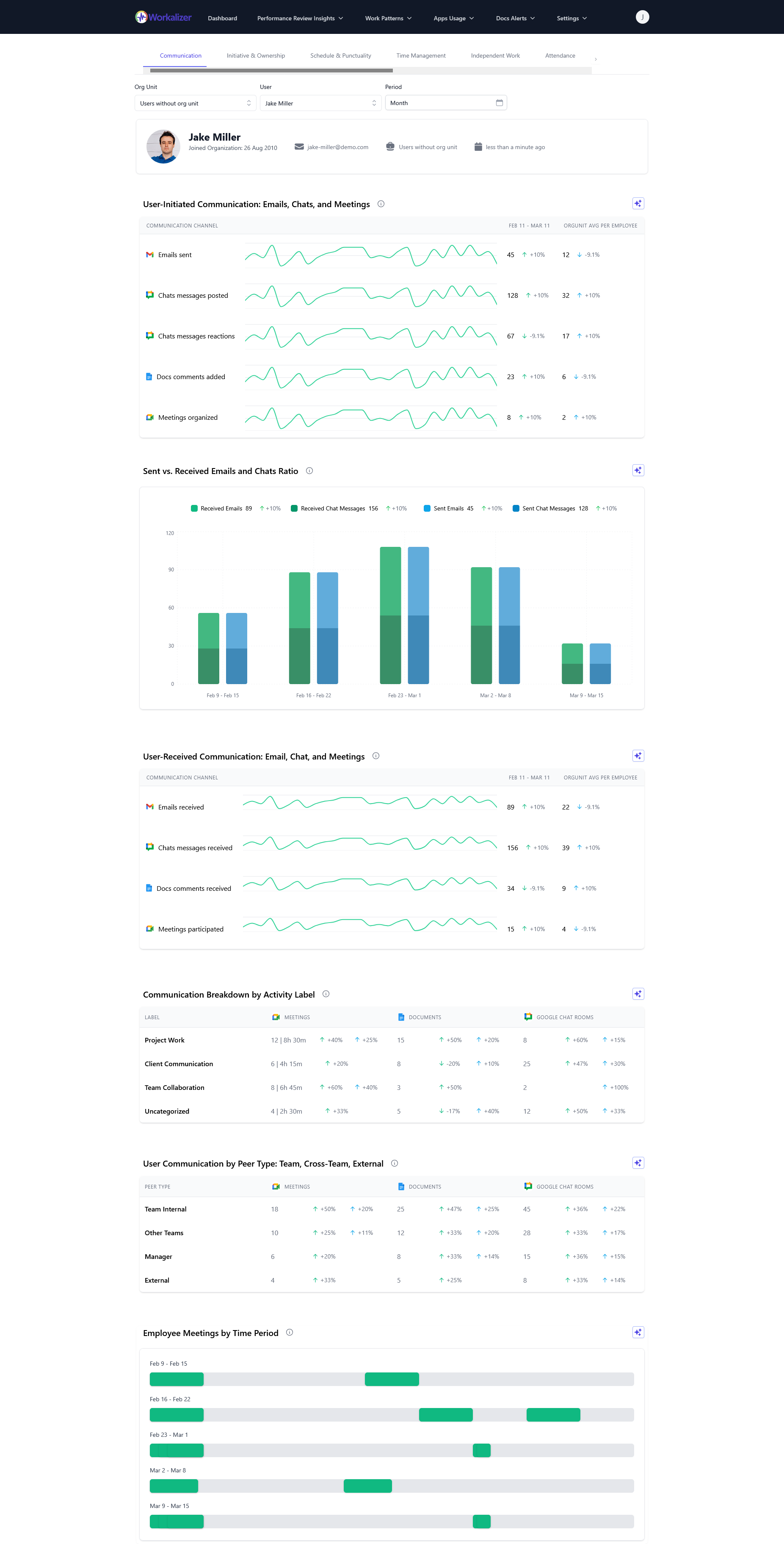
- Advocate for Resources & Automation: If your workload consistently requires long hours, it's a sign of a systemic issue. Gather data on your time allocation and task volume. Present a case to leadership for additional support, process improvements, or automation tools. Leveraging data and insights, much like what tools offering google work insights can provide, can help identify patterns in employee queries or workflow bottlenecks, making a compelling argument for change.
- Strategic vs. Transactional: Continuously evaluate if tasks can be delegated to HR Coordinators, automated, or streamlined. Your role is to be a strategic partner, not solely an administrative one.
- Prioritize Self-Care: Recognize that burnout is real. Schedule breaks, protect your personal time, and engage in activities that help you recharge. A sustainable HRBP is an effective HRBP.
2. Conquering the Inbox Avalanche
An overwhelming email inbox can be a major source of stress. Here are strategies to manage it effectively:
- Batch Processing: Instead of checking emails constantly, designate specific times (e.g., 30 minutes in the morning, midday, and late afternoon) to process your inbox. This reduces context switching and allows for focused work.
- The Two-Minute Rule: If an email takes less than two minutes to action, do it immediately. Otherwise, defer it, delegate it, or add it to your task list.
- Leverage Rules & Folders: Set up automated rules to filter non-urgent emails (e.g., newsletters, informational updates) into specific folders for later review. Create folders for ongoing projects or frequent senders.
- Templates for Common Queries: Develop standard response templates for frequently asked questions. This saves significant time and ensures consistent communication.
- Communicate Response Expectations: Set an out-of-office reply during your focus times or for non-urgent inquiries, informing senders when they can expect a response.
3. Harmonizing with the High-Speed Coworker
Working alongside a hyper-responsive colleague can be challenging, but it doesn't have to undermine your contributions. Collaboration is key:
- Direct & Respectful Communication: Have a candid conversation with your coworker. Acknowledge their efficiency but explain that your process requires more thoughtful consideration, especially for strategic inputs. Suggest establishing a brief "pause" for group discussions to allow all parties to contribute.
- Proactive Signposting: If you're in meetings, send a quick message to the group chat (if appropriate) or directly to your coworker saying, "I'm in a meeting, but I'll jump in on X topic as soon as I'm free." This signals your engagement without requiring an immediate, detailed response.
- Define Shared Responsibilities: Work with your coworker and leadership to clearly define areas of ownership or lead responsibility for specific types of issues or departments. This can reduce the need for both of you to respond to every single query.
- Leverage Different Strengths: Recognize that different response styles can be complementary. Your coworker might excel at rapid information dissemination, while you might bring deeper analytical thought or a different perspective. Ensure leadership understands and values both approaches.
- Scheduled Check-ins: Propose regular, brief check-ins with your coworker to align on ongoing issues, share updates, and ensure a unified front to leadership. This can prevent critical conversations from being carried away in fast-paced chats.
Next Steps: Taking Control of Your HRBP Journey
Being an HRBP is inherently demanding, but it should not be a path to chronic stress and burnout. It's vital to remember that your value isn't measured by how quickly you respond, but by the quality and strategic impact of your work. Take these strategies, adapt them to your environment, and don't hesitate to advocate for the support you need. Your well-being is paramount to your long-term success and effectiveness in this critical role.