Google Chat Identity Verification: Navigating Security & Scams in Workspace
The Unseen Face: Demystifying Identity in Google Chat
In the dynamic world of Google Workspace, connecting with colleagues and external contacts through Google Chat is a daily routine for many. However, a common concern often arises: "How do I see who the person is?" This seemingly simple question, as highlighted in a recent Google support thread (Thread #412044936), uncovers a critical aspect of online communication – identity verification and security.
The original post from erika arnstrong, a straightforward plea of "I need to see who the person is," quickly garnered expert responses that shed light on Google Chat's operational philosophy regarding user identity. Unlike some social media platforms or professional networking sites, Google Chat isn't designed as a public directory for identity verification. This fundamental difference is crucial for all Google Workspace users to understand.
Understanding Identity Verification in Google Chat
As Rupert, a Google expert, clearly articulated in the support thread, "Google Chat doesn't work like that. You have to know the person you are communicating with... Google don't offer a method of you being able to verify the identity of another user on Google Chat." This statement encapsulates a core principle: Google Chat assumes a pre-existing connection or knowledge of the individual you're interacting with. It's built for communication within known networks, be it your organization or established external contacts.
This approach means that if you're communicating with someone new, or if an account seems suspicious, Google Chat won't offer a direct, in-platform method to confirm their true identity. Users are expected to exercise caution and, if necessary, verify identities through external means or established organizational protocols. This reliance on user discretion places a significant responsibility on individuals to be vigilant.
The Risk of Impersonation and Scams
The absence of direct, user-initiated identity verification in Google Chat creates an environment ripe for impersonation and scams. As Rupert warned, "many different types of scammer will pretend to be someone else on Google Chat." These malicious actors might attempt to gain trust by posing as a colleague, a manager, a vendor, or even a friend, with the ultimate goal of extracting sensitive information, financial details, or tricking users into clicking malicious links.
The sophisticated nature of these scams means that users must constantly be on guard. Even if you think you know the person, it's wise to be wary of unusual requests, sudden changes in communication style, or urgent demands for information. Always consider the possibility that an account might have been compromised, or that you're interacting with an impostor.
Contrasting User Identity with Administrative Insights
It's important to differentiate between a user's ability to verify another user's identity and an administrator's ability to monitor and manage user activity within a Google Workspace domain. While individual users lack direct identity verification tools in Chat, Google Workspace administrators have robust tools to gain insights into their organization's usage patterns and ensure compliance.
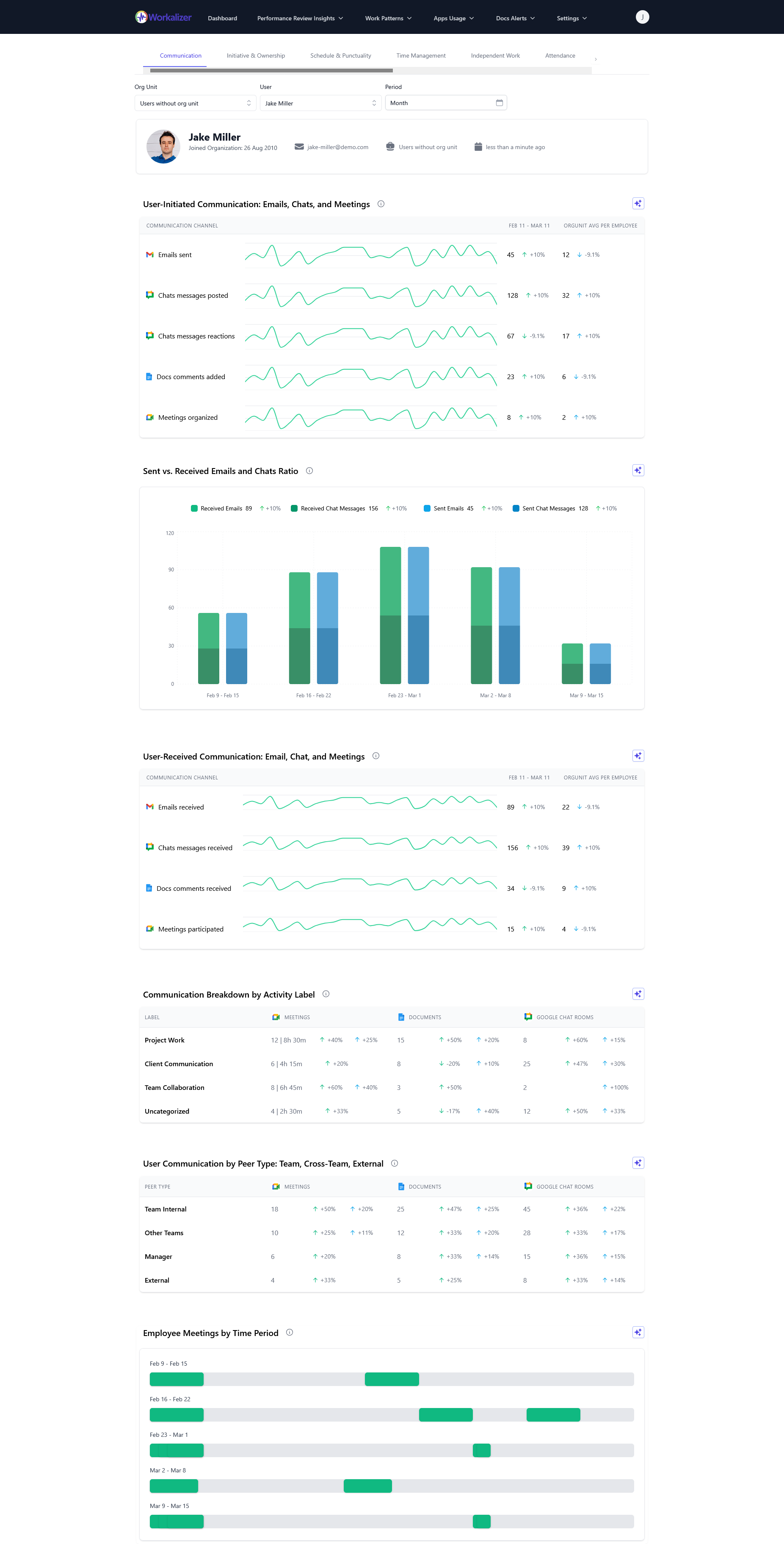
For instance, administrators can access comprehensive google meet user statistics. These statistics provide invaluable data on who is participating in meetings, the frequency of their participation, and even the meeting duration in google meet. Such insights are crucial for optimizing resource allocation, understanding collaboration trends, and ensuring that internal communication channels are being used effectively and securely within the organization. Similarly, administrators can track google docs editing frequency to monitor collaboration and document activity.
However, this administrative oversight is distinct from individual user identity verification in a one-on-one chat. The data available to admins is for organizational management and security, not for a user to confirm the identity of an unknown contact in a casual chat conversation. This distinction highlights Google's layered approach to security: robust tools for domain administrators, coupled with a reliance on user vigilance for direct peer-to-peer interactions.
What Users Can Do: Best Practices for Security
Given Google Chat's operational model, what steps can users take to protect themselves and their organizations?
Exercise Caution and Verify Externally
- Be Skeptical: If a chat message feels off, or if someone makes an unusual request, trust your instincts.
- Cross-Reference: If you're unsure about someone's identity, try to verify it through a different, established channel (e.g., a known email address, a phone call, or an in-person conversation if applicable). Never use the same communication channel that you're trying to verify.
- Look for Red Flags: Poor grammar, urgent demands, requests for personal information, or links to unfamiliar websites are all warning signs.
Report Suspicious Activity
If you encounter a suspected scammer or an impersonation attempt, it's crucial to report it. Google Chat allows users to report and block individuals. This action helps Google identify and address malicious accounts, contributing to a safer environment for everyone.
When Law Enforcement Steps In
For more serious cases involving fraud, threats, or other criminal activities, the situation escalates beyond individual reporting. As Rupert advised, if you have reported this to Law Enforcement, they can contact Google directly. Google cooperates with official legal requests to provide information when appropriate and legally mandated.
Rupert even provided a specific contact for US Law Enforcement agencies: uslawenforcement@google.com. Other law enforcement agencies would have their own established channels or email addresses, often redirected from official .gov accounts. This process underscores that while Google protects user privacy, it also has mechanisms in place to assist authorities in investigating serious breaches of trust or law.
Conclusion: A Shared Responsibility for Online Safety
The question "How do I see who the person is?" in Google Chat highlights a fundamental aspect of online communication platforms. While Google Workspace provides powerful tools for collaboration and administrative oversight, including detailed google meet user statistics for admins, direct user-to-user identity verification is not a built-in feature of Google Chat. This design choice places a significant emphasis on user awareness and proactive security measures.
Staying safe in Google Chat, and indeed across all online platforms, is a shared responsibility. By understanding the platform's limitations, exercising caution, verifying identities through alternative means, and knowing when and how to report suspicious activity, Google Workspace users can significantly reduce their risk of falling victim to impersonation and scams. Vigilance is your strongest defense in the digital landscape.