5 Critical AI Ethics Debates HR Leaders Must Address in 2026
The AI Revolution: An Ethical Crossroads for HR
Let's face it: AI is no longer a futuristic fantasy. It's reshaping our workplaces *right now*. From automated recruitment processes to AI-powered performance reviews, the impact is undeniable. But with great power comes great responsibility. As HR leaders, we're at the forefront of navigating the complex ethical landscape that AI creates. The decisions we make *today* will define the future of work for years to come. It's not just about efficiency; it's about fairness, transparency, and trust. Before we dive into the specific debates, it's crucial to acknowledge that AI systems are only as good as the data they're trained on. Bias in data can lead to discriminatory outcomes, perpetuating inequalities instead of solving them. This year, several high-profile cases have highlighted the dangers of unchecked AI deployment, underscoring the urgent need for ethical guidelines and robust oversight. And while AI promises increased efficiency, it also brings forth new challenges, particularly in ensuring equitable access and outcomes for all employees.
Bias detection in AI recruitment
5 AI Ethics Debates HR Leaders Can't Ignore
Here are five critical debates that every HR leader should be actively addressing in 2026:
1. Bias Detection and Mitigation in AI-Driven Recruitment
AI is increasingly used to screen resumes, conduct initial interviews, and even make hiring recommendations. While this can save time and resources, it also introduces the risk of algorithmic bias. If the AI is trained on data that reflects historical biases (e.g., favoring certain demographics or educational backgrounds), it will perpetuate those biases in its decisions. A recent study by the HR Research Institute found that 68% of HR professionals are concerned about bias in AI-driven recruitment (hypothetical-hr-research-institute.com). What can we do? Implement rigorous testing procedures to identify and mitigate bias in AI algorithms. This includes auditing the data used to train the AI, monitoring its performance for disparate impact, and establishing clear accountability mechanisms. Consider leveraging tools that help identify and correct biases in algorithms, ensuring a fairer hiring process. Explore how to maximize the efficiency of Google Workspace to streamline data collection and analysis for bias detection.
2. Transparency and Explainability in AI-Powered Performance Reviews
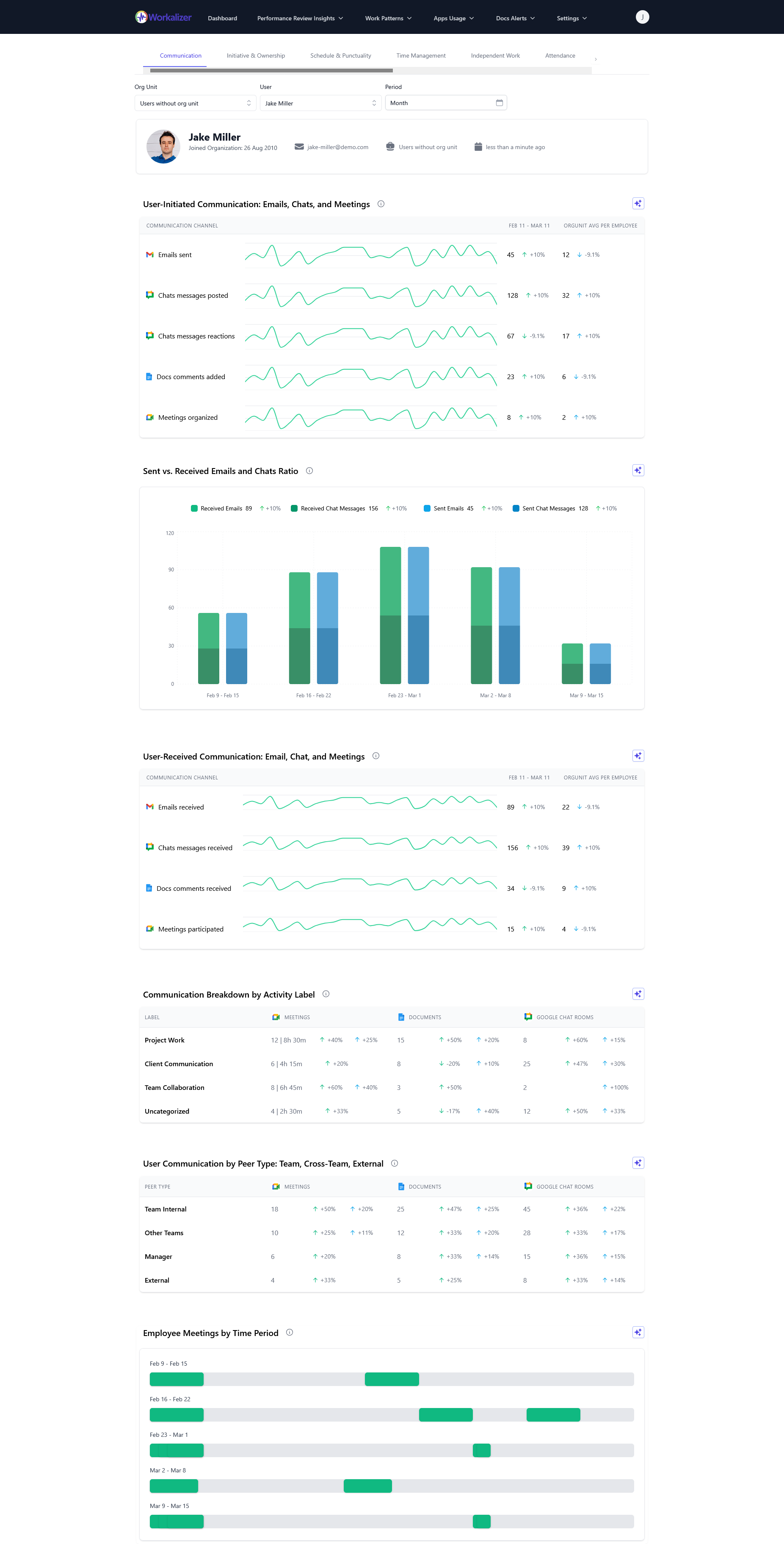
Imagine receiving a performance review based on an AI algorithm that analyzes your Google Workspace activity. Sounds a bit unsettling, right? Employees deserve to understand *how* these systems work and what factors are being considered. Transparency is paramount. Black box AI systems, where the decision-making process is opaque, erode trust and create anxiety. HR leaders must demand explainability from AI vendors. We need to be able to understand *why* the AI made a particular assessment and what data it used to reach that conclusion. This requires clear documentation, accessible explanations, and the ability to challenge the AI's findings. Workalizer, for example, provides detailed insights into Google Workspace usage, allowing managers to have informed conversations with their teams, rather than relying solely on opaque AI scores. Using tools that provide transparency and promote open communication is crucial for fostering trust and ensuring fair evaluations.
3. Data Privacy and Security in AI-Driven HR Systems
AI systems often require access to vast amounts of employee data, raising significant privacy concerns. HR leaders must ensure that this data is collected, stored, and used ethically and securely. This includes complying with data privacy regulations, such as GDPR and CCPA, and implementing robust security measures to protect against data breaches. It also means being transparent with employees about what data is being collected, how it's being used, and who has access to it. Remember the Meta AI glasses privacy debacle? A class action suit highlighted the importance of data privacy and security (androidpolice.com). Implementing strong data governance policies and providing employees with control over their data are essential for building trust and maintaining compliance. And remember to consider how to securely share files on Google Drive when dealing with sensitive employee data.
Data privacy in AI HR
4. The Impact of AI on Job Displacement and the Future of Work
AI is automating many tasks previously performed by humans, leading to concerns about job displacement. While AI can create new opportunities, it's also essential to address the potential negative consequences for workers. HR leaders have a responsibility to proactively manage this transition. This includes investing in training and development programs to help employees acquire the skills they need to succeed in the AI-driven workplace. It also means exploring alternative work arrangements, such as job sharing and reduced workweeks, to mitigate the impact of job displacement. Furthermore, it's crucial to foster a culture of continuous learning, empowering employees to adapt and thrive in a rapidly changing environment. A forward-thinking approach is key to ensuring a smooth transition and minimizing disruption.
5. Accountability and Governance in AI Decision-Making
Who is responsible when an AI system makes a mistake or causes harm? Establishing clear lines of accountability is crucial for responsible AI deployment. This requires defining roles and responsibilities for AI development, deployment, and monitoring. It also means establishing mechanisms for addressing complaints and resolving disputes related to AI decisions. Furthermore, HR leaders should advocate for strong AI governance frameworks that promote ethical principles, transparency, and accountability. As OpenAI chief Sam Altman admitted, AI deals can look "sloppy and opportunistic" without proper oversight (slashgear.com). Robust governance structures are essential for ensuring that AI is used responsibly and ethically. Consider exploring resources on teaching LLMs to reason like Bayesians to better understand the complexities of AI decision-making.
The Path Forward: Embracing Ethical AI in HR
The ethical debates surrounding AI are complex and evolving rapidly. However, by proactively addressing these challenges, HR leaders can ensure that AI is used to create a fairer, more equitable, and more productive workplace. This requires a commitment to transparency, accountability, and continuous learning. It also means engaging in open dialogue with employees, stakeholders, and AI vendors to shape the future of work in a responsible and ethical manner. As AI continues to transform the HR landscape, embracing ethical principles is not just a matter of compliance; it's a strategic imperative for building a sustainable and successful organization. By prioritizing ethical considerations, HR leaders can harness the power of AI to create a positive impact on employees, organizations, and society as a whole. Understanding how AI agents can redefine universal design to increase accessibility can further enhance the ethical implications of AI in HR.